


This is vkgy's history of visual kei, covering its 1970s roots, its 1980s precursors, its start in 1990, and its evolution through 2025.
As a “brief” history, many bands and events are omitted—in particular, subgenres are explored in more depth in their own articles. But we hope that this will serve as a comprehensive resource for those who wish to understand the unique music and culture of visual kei.
Chapter Ⅰ - 1970~1985 - the roots of the roots
DREAMER, don't hesitate!
Run straight ahead, even if your path is blocked—
until you see the light!44MAGNUM - NO STANDING STILL
A full understanding of visual kei requires looking before its birth in the 1990s, and before its predecessors in the 1980s. Here we look to the 1970s, to the infrastructure that made visual kei possible: the “roots of the roots.” Most of the artists in this section are far removed from visual kei, but planted seeds that led to its eventual birth.
Glam rock
At the start of the 1970s, glam rock artists David Bowie and T.Rex brought their outlandish looks to Japan for the first time. Following them, the first Japanese glam rock band, Rouge, formed in 1975.78520 Through the rest of the decade, popular male idol Sawada Kenji (沢田研二) (and his alter-ego JULIE) adopted glam looks, which in turn expanded the aesthetics that were “acceptable” for male performers onstage.52053453557


While it is tempting to assume that visual kei and glam rock are synonymous, glam was in fact too early to directly affect the sound or look of visual kei.57 Nevertheless, its arrival in the 1970s made possible even more extreme aesthetics in the 1980s.
Livehouses
In the mid 1970s, small concert venues began to emerge, better known as “livehouses” (ライブハウス). Unlike today, they were not places for teens to congregate; they served adults and often had a “scary” reputation.80594 (In one famous anecdote, children walking home from school were told to cross the street when passing the local livehouse.)594
Livehouses were very few in number and many operated under an audition system wherein bands would send a sample of their work to the manager in hopes of being allowed to perform.80404 Livehouses also tended to specialize in one or two genres—this is still true today.404
One of the most important livehouses with regard to visual kei was Shinjuku (新宿) LOFT, which opened in Tokyo (東京) in 1976.494 Initially a venue for so-called “new music,” it would become the home base of the Tokyo Rockers (東京ロッカーズ) scene in 1978, the beat rock scene of the 1980s, and visual kei in the 1990s.404623


Punk and new wave = indies
The aforementioned Tokyo Rockers (東京ロッカーズ) scene was comprised of punk and new wave bands, which emerged in Japan for the first time in the late 1970s.404 Although they were able to perform regularly at venues like LOFT, they were categorically rejected by the large corporate record labels that ruled the industry—better known as “major” (メジャー) labels.512
At the time, it was nigh impossible to release a record without the backing of a major label.404 So, those punk and new wave bands created their own small, independent record labels, starting with GOZIRA RECORDS in 1978.404 Through those, they produced so-called jishu seisaku (自主制作) {independently produced} records.404 Later, these bands, records, and labels would be referred to as “indies” (インディーズ).404


Although the indie bands managed to produce their own records, they still lacked the nationwide distribution chains that the major labels utilized.512 Instead, they sold those records at their livehouse gigs—a strategy that is standard now, but was viewed as radical at the time.512 In 1981, a small number of pioneering record shops (like CSV and TOWER RECORDS) began stocking indie releases.404


Some stores also began carrying minikomi (ミニコミ): small, independent magazines that covered ground-level acts.404 One of the first notable minikomi was CHANGE 2000!, which began publication in 1979 and focused on the Tokyo Rockers scene. Many others would follow, and became an integral part of the indie scene. They would also be important to heavy metal and visual kei later.404


The labels, livehouses, shops, and publications all fed into one ecosystem that made non-major band activity viable for the first time. Punk and new wave bands were directly responsible for creating that ecosystem, and thus effectively were the indie scene.605 But later in the 1980s, the term would expanded to include self-produced bands from all genres.


Progressive rock
Meanwhile, during the second half of the 1970s, a small scene of progressive rock bands developed in Japan.582 It was roughly divided into three branches: a jazzy branch in Tokyo (東京); an orthodox branch in Kansai (関西); and another branch in Kansai (関西) which paired its progressive sounds with the aesthetics of glam rock.582


That latter branch produced NOVELA in 1979. They had buzz from the start because their lineup combined two popular local bands, and also because of their striking looks.582 They debuted through a major nationwide record label in 1980—their so-called “major debut”.582

Because the progressive rock movement had already lost steam in the West, NOVELA became synonymous with the genre in Japan.582 They inspired a number of followers, including a scene in Tokyo (東京) led by VISUAL SCANDAL which similarly paired prog sounds with glam looks.582623 These were allegedly the first to be identified by local media as “okeshou bands” (お化粧バンド), a term that would be important in the 1980s.


The first “band girls”
The glam aesthetics of NOVELA—which included flashy costumes, platforms, teased-high hair, and beautiful makeup—made them much more popular with women than orthodox progressive rock bands.459582 (Their collaborative album with the shoujo manga HARMAGEDON STORY also contributed to this appeal.)26459


A particular culture emerged around those female fans over time.582 They were seen outside livehouses with teased hair, frilly dresses, and aluminum trunks adorned with band stickers.42581582 Their dresses came from a local brand called VIOLON, and so the group were collectively known as the VIOLONzoku (VIOLON族) {VIOLON tribe}.42581582


This “tribe” was one of the earliest examples of what would become known later as “band girls” (バンド・ギャル).444445 These were not necessarily “groupies”—although those also existed at the time—but groups of core female fans who supported a particular band or record label, and had their own fashion styles and fan cultures.444445
Decades later, “band girl” would be shortened to “bangya” (バンギャ), and would become wholly associated with visual kei.592


Japanese metal
In 1980, the New Wave Of British Heavy Metal began influencing Japanese bands.512599 LAZY, a hard rock band who had been forced by their record label to become idols, famously made a “heavy metal declaration” that year and changed to metal.96512597 Around the same time, BOW WOW made a similar change and received some attention overseas.512594599


Meanwhile, the major debut of NOVELA brought attention to their home region of Kansai (関西), creating a “golden age of hard rock” in the area.582 Three bands from Kansai, 44MAGNUM, LOUDNESS, and EARTHSHAKER, would become known (along with BOW WOW) as the “four pioneers of Japanese metal.”312512

EARTHSHAKER set a point of difference between Western and Japanese metal by focusing on the strength of their melodies rather than heaviness.582 They also became one of the first hard rock bands to appear on TV, and one of the first to get media coverage for record-breaking attendance at their performances at LOFT.514 Their momentum has been called one of the catalysts of hard rock's popularity in Japan, and led to their major debut in 1983.582

44MAGNUM also achieved a major debut in 1983.601 They were at the same level of popularity as EARTHSHAKER, and the two became friendly rivals, even holding an “epoch making” three-day event together at LOFT.603


44MAGNUM are especially important to visual kei, as their major debut was in part made possible by their striking, bleach-blonde hair, and Mötley Crüe-esque costumes (which was in fact a directive from their record label).601602597 They were also more aggressive in their sound and in their MCs—declarations to the crowd like “can you keep up?” are purported to have inspired similar MCs from early visual kei bands.599603

As an aside, in 1983, the striking looks of NOVELA and metal band 44MAGNUM inspired the fictional bands KISS RELISH (キッスレリッシュ) and BEEHIVE (ビーハイヴ), respectively, in the shoujo manga and anime Ashite KNIGHT (愛してナイト).638


The success of these pioneers led to a Japanese metal boom around 1984, which saw [primarily Kansai-based] metal bands go major one after the other.512582 And the bands' associated record labels, like Being and NEXUS, became important players in the metal scene.452582


Indies metal
Although a healthy indie ecosystem had been established in the late 1970s, the ultimate goal of indie bands was to join a major label.605 As such, the flow of indie metal bands across the country was thus: perform at local livehouses → get popular enough to hold a successful live in Tokyo → move to Tokyo full-time → get signed by a major label.605
Around 1982, the livehouse Meguro (目黒) ROCKMAYKAN (鹿鳴館) gained new management and changed direction, joining LOFT as a crucial stepping stone for bands trying to make it in Tokyo.594605 But ROCKMAYKAN had something that other venus didn't: complex lighting and a Turbosound speaker system that made it the loudest of all.594

A photo of ROCKMAYKAN from 2010, before its seats were removed.
Thus ROCKMAYKAN quickly became the mecca for metal bands, and later for visual kei bands, and has remained so ever since.594623 A successful oneman at the venue was not only a sign that a band was genuinely popular, but also a badge of honor.594596


Another Tokyo livehouse, Kagurazaka (神楽坂) EXPLOSION, opened a few years later, and became another base of the metal scene.594605 Crucially, it formed its own indie label, EXPLOSION RECORDS, which organized important releases like the HEAVY METAL FORCE series.512 That label would also support many visual kei bands in the 1990s.


One of that label's signees, SABBRABELLS, was the first metal band to adopt the indies bands' strategy of selling records at tour stops.512 And just before their major debut, 44MAGNUM similarly adopted the indies' “free distribution gig” (無料配布GIG) model.7512603 It was thus necessary to attend lives regularly to get all of a band's releases, which made livehouses even hotter.512 This culture would be carried into visual kei.


Positive punk
In the West, the punk movement declined in the late 1970s and gave way to a much more aggressive movement: hardcore punk. At the same time, bands like Bauhaus pioneered an opposing, sensitive and intellectual branch which was then called post-punk.
In 1980, GENET—a Japanese musician from the Tokyo Rockers scene—visited London and was inspired to form his own post-punk band, AUTO-MOD, after returning home.618444

GENET had always been a theatrical performer, and soon brought white face paint and theatrical staging to AUTO-MOD.444 Around 1982 he learned that a group of post-punk bands in the UK also wore white face paint, and called themselves “positive punk” (in contrast to the “negativity” of hardcore punk).618 He adopted that term for his own band and made a conscious decision to create a positive punk scene in Japan.618
Although GENET adopted the “positive punk” moniker, he did not necessarily change his music or makeup to match the UK positive punks.618 And while the term fell out of use in the UK (being replaced with “goth”), the Japanese bands continued to use it.378618


Thus a small positive punk scene—pojipan (ポジパン) for short—grew in Japan, separate from the trad goth scene of the West.378618 Following AUTO-MOD, the “four pioneers” of the scene were G-Schmitt, SADIE SADS, and MADAME EDWARDA.444445
The first three were signed to GENET's own indie label WECHSELBALG, which became the primary driving force in the positive punk scene.444610 MADAME EDWARDA, meanwhile, belonged to CITY ROCKER RECORDS, the indie label of punk magazine DOLL.610


The positive punks were known for their dark clothing, intellectual lyrics, moody atmospheres, and theatrical performances—although their individual music styles were more diverse than might be assumed.404444 While they did not reach the commercial heights of other indies, they influenced bands across genres, including many early visual bands.


Looking back, neither glam, nor new wave, nor punk, nor first generation metal were direct ancestors to visual kei as we know it. But each influenced bands who would prove to be the predecessors of visual kei.
Chapter Ⅱ - 1985~1989 - before visual kei
The times are changing.
Now, a rain of BLUE BLOOD falls.X - BLUE BLOOD
The seeds planted in the 1970s grew into a band boom in the 1980s. The pressures of the boom directly led to the emergence of the first direct predecessors to visual kei: okeshou bands.
Indies invasion
Late one night in 1985, the television channel NHK broadcast a program called Indies no Shuurai (インディーズの襲来) {Invasion of the Indies}.125404 It put the indie scene, which had until then been fairly underground, in front of a nationwide audience for the first time.404


The program featured live footage from bands like the rowdy punk rivals LAUGHIN' NOSE and THE WILLARD; the avant-garde UCHOTEN (有頂天); and the positive punks G-Schmitt; among others.404 It captured the attention of young people across the country, and triggered a small indie boom.404 Those first three bands were at the forefront of the boom, and became known as the “indies big three” (インディーズ御三家).365404


The indies boom was stoked by Takarajima (宝島), a magazine which regularly covered what it called the “street scene” in its STREET MOVES column beginning in 1985.404 The same company was behind CAPTAIN RECORDS, which ilaunched in 1985 with an outdoor event that was attended by about 4,000 people, signifying the new strength of indies.404

The boom brought success to many indie labels, such as CAPTAIN RECORDS [home of THE WILLARD], AA Records [home of LAUGHIN' NOSE], and NAGOMU RECORDS (ナゴムレコード) [home of UCHOTEN]. All achieved record sales during the era.40464


Another important label from the period was TRANSRECORDS, which frequently interacted with NAGOMU RECORDS (ナゴムレコード).
The latter label was home to strange, colorful, anti-commercial acts like Kinniku Shoujo Tai (筋肉少女帯), and would inspire a similarly strange branch of visual kei in the 2000s.444 And the former was home to avant-garde and second wave positive punk bands like ASYLUM and MOTHER GOOSE. (As such, it also often overlapped with WECHSELBALG.)444


The two labels were also associated with another precursor to bangya: the NAGOMU girls (ナゴムギャル), who would congregate in strange, colorful, childish fashions; and the TRANS girls (トランスギャル), who silently clung together in chic, all-black clothing.404444609 (Both groups might also chase their favorite artists or scream for them during lives.)609

During the boom, the ultimate goal of indie artists was still a major debut—even the indies big three were major by 1986.404 Because of this, the scene became increasingly professional, commercial, and sanitized, and its excitement eventually died down.404 (Some attribute this to CAPTAIN RECORDS, as they had strong financial backing and a dedicated media branch through Takarajima, but the change was likely inevitable.)404
Second generation metal
By 1985, as the metal boom was waning, a second generation of metal bands was making waves.34 That year, REACTION released their album INSANE, and it unexpectedly reached 10,000 in sales.513597404 (Previously, just 3,000 copies would have been considered an insane best-case-scenario for indie labels.)605513 The next year, DEAD END, surpassed them: their album DEAD LINE sold out via pre-orders, and then passed 20,000 in subsequent pressings.513597444
These numbers proved that indies was not “just” punk and new wave, and also destroyed the idea that a major label was necessary for success.122404 (Many major artists regularly sold fewer than 3,000 records.)404


DEAD END is particularly important to visual kei. Thanks to darkly charismatic vocalist MORRIE and virtuoso guitarist YOU, they created a new sound that surpassed metal.597 When tracing the musical influences of visual kei, they are probably #1, having inspired Kuroyume (黒夢), L'Arc~en~Ciel, LUNA SEA, La'cryma Christi, and many other early visual titans. (Their 2013 tribute album is testament to this, as it is packed with metal and visual legends.)385386

The success of REACTION and DEAD END put their respective labels DANGER CRUE and Night Gallery on the map, which both supported metal in the 1980s and early visual bands in the 1990s.122 (DANGER CRUE has remained one of the most important labels in visual kei, and is often a “middle step” between indie and major status.)122


Although visual kei is characterized by its amalgamation of genres, metal was by far the most direct throughline to the later genre. And not just through the music or costumes: almost all of the visual kei livehouses, record shops, and magazines started here, as did many aspects of its fan culture.444
Beat rock
In 1981, BOØWY formed in Gunma (群馬).513530 Despite a major debut in 1982, their start was rocky: their first album (of which only a few thousand copies were pressed) went mostly un-sold. They were then foist upon another label.616484 Nevertheless, through consistent performances at LOFT, they grew in strength.484


Inheriting the bad-boy attitude and distinctive beat of the leather-jacket-clad mentai rock (めんたいロック) bands, they added cutting guitar, pop melodies, and cool nonsense lyrics, and made something distinct from all other genres.600152483 This style was known as beat rock (ビートロック): a uniquely Japanese genre that was neither metal, nor hard rock, nor blues, nor punk, nor new wave.483152 Many popular bands of the era (and most early bands of visual kei) would inherit this style.152183


Over the following years, BOØWY slowly increased in popularity with a minor hit on cable radio, a national tour, and their first hall live at Shibuya (渋谷) Koukaidou (公会堂) in 1985.483 (“Hall” here referring to a class of venues with significantly more capacity than the average livehouse.)
The band broke through in 1986 as their album JUST A HERO charted in the top 10 of ORICON and sold 100,000 copies.485530 Afterward, they held their first Nippon (日本) Budokan (武道館) performance, which sold out in three hours and made them even more popular: the following albums BEAT EMOTION and PSYCHOPATH sold over 1 million copies.513183483


They were also the first band to play at the newly-opened Tokyo Dome (東京ドーム)—a stadium even bigger than Budokan—and sold its 95,000 tickets in less than 10 minutes.31183 During that live, having achieved everything they wanted to as a band and reaching the height of popularity, they suddenly disbanded.404183483
This also marked the completion of a “road” that future bands would follow: local livehouses → oneman at ROCKMAYKAN or LOFT → hall → Budokan → Tokyo Dome.594152 For many bands, Budokan is the ultimate dream (and reaching DOME is is almost unthinkable).


BOØWY was popular for many reasons: their unique sound, sprayed-high hair, masculine makeup, Jean-Paul Gaultier suits, nonsense English lyrics, and so on—but primarily their coolness.76483152 They made rock that appealed to normal people across the country (not just music nerds,) and triggered a wave of kids aspiring to be “the next BOØWY.”482530

Their disbandment created a vacuum in the scene, and left behind fans eager to follow to another band.528 (Media outlets referred this as the “after BOØWY” phenomenon.)528 Many of those fans turned to a band that already existed: BUCK-TICK.528 Formed in 1984, they were almost like a little brother: they were also from Gunma (群馬), adopted the same beat rock style, and wore similar outfits with similarly tall hair.51352848264

Earlier in 1987, under the guidance of indie label Taiyou RECORDS (太陽レコード), they plastered stickers all over Tokyo to promote their upcoming hall performance.404482 The guerilla tactic worked, and they made a major debut later in the year, just months prior to the disbandment of BOØWY.513528 Many fans naturally moved to the younger band.528


BUCK-TICK became a force of their own, performing at Budokan and Dome in 1989, and returning to Budokan almost every December after.513 To the band's dismay, some media outlets treated them like talentless idols.482 In response to this—and inspired by a chance encounter with DER ZIBET vocalist ISSAY—the band moved in a moodier direction which would inspire countless visual bands in the early 1990s.482152


BUCK-TICK were so popular by the time visual kei started that they operated almost entirely outside of it; it didn't become common to call them vkei until the 2000s. For this reason, writer fuyu-showgun (冬将軍) refers to them as an “exterritorial” visual kei band.435 They are now widely recognized as visual, but are also beloved outside of the genre.
Punk crossovers
To summarize the Japanese punk scene again, it was split into three branches. The initial 1970s wave, with bands like LIZARD and the Tokyo Rockers, was straightforwardly inspired by the UK movement.404 It was surpassed in the early 1980s by hardcore punk, an extreme and politically-charged branch led by bands like THE STALIN.404 And positive punk, the sensitive and intellectual branch, emerged in opposition soon after.404
Hardcore punk generally stood in opposition to other genres, and even to the other branches—hardcore band LAUGHIN' NOSE famously ridiculed positive band MADAME EDWARDA.128 But around 1985, this border blurred in the few livehouses where hardcore bands and beat rock bands were allowed to play. Thus emerged beat punk (ビートパンク), a catchy, mid-tempo crossover style among bands like THE BLUE HEARTS.


The opposition between hardcore punk and heavy metal was even stronger, with meetings between the two often turning violent.25103104 This too softened around 1985, as GASTUNK pioneered a style that mixed elements of both genres.103623 They are particularly important to visual kei, as their compositions and sing+shout vocal style influenced bands like DEAD END, X JAPAN, and Kuroyume (黒夢).26103

In the West, a similar crossover between hardcore punk and heavy metal occurred, resulting in the brutal, complex, and speedy genre called thrash, led by bands like SLAYER.404 This in turn inspired Japanese thrash pioneers AION, who would be influential to LUNA SEA and many other important visual kei bands.82623


The band boom
From 1986 through 1991, Japan experienced economic growth that left companies and citizens with cash to spend.404
At the same time, several factors led to growth in the music industry at large: in 1985, indies went nationwide; in 1985 and 1986, BOØWY and REBECCA (レベッカ) released albums that sold 1 million copies (previously unheard of for rock bands); in 1987, BOØWY disbanded, leaving a huge number of fans looking for a new band; and in 1988, Takarajima launched BAND YAROZE (バンドやろうぜ), an instructional magazine for kids who wanted to start bands.404119615442


These factors coalesced into the band boom: a period around 1988~1989 in which rock bands formed in record numbers, and record labels pumped money into them in hopes of signing the next big act.615442
The boom whipped to a fervor with the 1989 musical competition TV show Miyake Yuuji no Ikasu! BAND Tengoku (三宅裕司のいかず!バンド天国)—better known as Ikaten (イカ天).615 The show was short-lived but uber-influential, introducing dozens of bands into the homes of normal citizens.80 A single appearance could push a band to stardom overnight.615

In the same year, TV variety show Tensai・Takeshi no Genki ga Deru TELEVI!! (天才・たけしの元気が出るテレビ!!) aired a segment called Moeru! HEBIMETA! (燃える!ヘビメタ!) which featured metal bands.454 While it treated them more like freaks—it was in this segment that X famously terrorized a small restaurant—it was successful enough to spin off into an ongoing series, HEBIMETA Tora no Ana (ヘビメタ虎の穴).731


New bands formed so quickly during the boom that livehouses were often fully booked for months in advance.404 It thus became common to see fledgling bands performing along certain streets.404 In particular, the hokosha tengoku (歩行者天国) {pedestrian mall} area in Harajuku (原宿), or Hokoten (ホコ天), became a star-making destination.80615


Okeshou bands
The oversaturation of bands during the boom made it difficult for fledgling groups to stand out.404 Within that competitive environment, many adopted the proven strategy of predecessors like 44MAGNUM: they donned extreme hairstyles, costumes, and/or makeup to get attention.601602 Some fans and media outlets collectively referred to them as okeshou bands (お化粧バンド) {makeup[-wearing] bands}.623


It's important to note that okeshou kei (お化粧系) was not a genre of its own, but a trend that touched multiple genres. It was also one of many terms that were being pushed at the time.
“Bad boys rock” (バッド・ボイーズ・ロック), for example, was coined for bands who supposedly carried the spirit of dangerous, drug-fueled American bands like Guns N' Roses.392393612 Bands like ZIGGY and JACKS'N'JOKER, therefore, might be called bad boys (despite being neither dangerous nor drug-fueled), okeshou, or simply glam/hard rock.


Many okeshou bands could be considered predecessors to visual kei, but there is not a 1:1 correlation—especially since the move from okeshou to visual kei was a gradual change over time rather than abrupt switch. In other words, all early visual kei bands could probably be called okeshou, but not all okeshou bands could be called visual.
As a shorthand, the bands who were considered okeshou and later fell under the banner of visual kei seemed to satisfy two conditions: 1. their makeup made them look more beautiful (i.e. lipstick instead of KISS-like paint); and 2. they appeared in heavy metal media regardless of their genre.623 Of course, there was no agreed-upon definition of okeshou kei (お化粧系), and its usage would have varied from person to person.623


As far as visual kei is concerned, the most important okeshou group was the heavy metal band X.151 (Though categorized as metal, they wore hairstyles typical of hardcore punk, and participated in the famous thrash omnibus SKULL THRASH ZONE.)607
They were known for their rowdy performances which valued spectacle over technique.607 They were just as rowdy after lives: famously, several local bars refused all long-haired bandmen because of X's antics.607 In their early days, their reputation gained them the title of one of “Kantou's three deadbeat bands” (関東三大粗大ゴミバンド) along with DEMENTIA, and SAVER TIGER.121


X also eagerly appeared in any TV program or mainstream magazine that would have them (most metal bands considered this taboo).82607 Thanks to their immense charisma and embrace of media, their 1988 indie album Vanishing Vision sold 10,000 copies in one week and reached 20,000 within months, breaking indie sales records.607512623 They continued to break records as they made their major debut the following year.607


The success of X grabbed the attention of media outlets, which in turn put more attention on all okeshou bands.623 It also gave a financial windfall to their own indie label, EXTASY RECORDS, which then signed many bands who would become stars.623 While X weren't as influential to the sound of visual kei, they are wholly responsible for its culture and birth.151

That birth would come at the turn of the decade, as okeshou bands were increasingly grouped together by media and fans.623 Despite their differing background genres—X in metal; BUCK-TICK, beatrock; COLOR, punk; AURA, hard rock; ZIGGY, glam rock; and so on—they would collide in 1990 into a new genre.151623


Chapter Ⅲ - 1990~1994 - dawn of visual kei
I am the trigger.
Whether I bloom or fall is up to me.LUNA SEA - ROSIER
As the 1980s gave way to a new decade, the okeshou bands collided into a new force called “visual kei.” These trailblazing titans primed the genre for an explosion in the second half of the decade.
Visual kei is born
As the unrelated okeshou kei (お化粧系) bands were increasingly grouped together, media outlets offered competing names for what they saw as a new scene: “street rockers,” “neo hard,” “shock metal,” and so on.1994721 But the de facto winner was magazine SHOXX, who called them “visual.”1923
Despite the dozens of visual kei magazines that launched in following decades, SHOXX was often seen as the deciding factor in whether or not a band could be called visual kei.20


SHOXX launched in 1990, the same year that long-running magazine FOOL'S MATE abruptly switched to covering visual bands.2352 At the same time, several other large publishers launched visual spin-offs: ON STAGE with EX-CITE; PATi►PATi with ROCK'N'ROLL RISKY; and so on.2332
In other words, 1990 is not only the year that visual kei was finally named, but the year that it was firmly established as its own scene.1923


EXTASY RECORDS and Free-Will
As previously mentioned, Tokyo-based EXTASY RECORDS was one of the most important labels in the dawn of visual kei.94 The other was Osaka-based Free-Will, formed by DYNAMITE TOMMY for his band COLOR.94 By 1990, both labels had reached nationwide recognition, “conquering” their respective areas of Japan and inspiring the phrase “EXTASY in the East, Free-Will in the West” (東のエクスタシー、西のフリーウィル).94

The two friendly rivals housed nearly every important early visual kei band between them: ZI:KILL, LUNA SEA, KAMAITACHI (かまいたち), and BY-SEXUAL, among many others.94 The success of the labels fed into their bands, which fed back into the labels, and lifted each successive generation: X famously tripled their own lofty marketing budget when pushing the debut of LUNA SEA.372


The bands signed to EXTASY RECORDS were closer to the “pulse” of current trends, thanks in large part to X guitarist HIDE, who scouted bands like LUNA SEA.26 But Free-Will was a close second in popularity, and it has since become the most important label in visual kei thanks to its distribution arm that powers countless other indie labels.94
Spectacle and excess
When SHOXX debuted, its stated mission was to cover the era of “VISUAL SHOCK.”19 This shock, or spectacle, was one of the core appeals of visual kei. And it was not just costumes and makeup: in the words of DYNAMITE TOMMY, “everything aside from sound is visual, right?”18


Consider YOSHIKI's theatrical collapses after drum solos; or the stage names that made musicians seem like fictional characters; or how, when asked to categorize themselves, bands made-up genres like “FUTURE ROMANTIC MUSIC;” or how bands recorded in the West just to say they could.26 The visual kei worldview was one of beauty and spectacle, to extremes.

Behind this spectacle was a financial engine: Japan was still in its economic bubble, many indie labels were still flush with cash, and major labels were still investing in new artists.26 There was money to burn, and visual bands had no problem burning it.26
THE DEAD P☆P STARS announced their formation with a 4-page spread; X announced their dome live with a 10-page spread; ZI:KILL paid for mixing in London despite it being lower quality; and so on.26 In other words, the spending of money was itself an extension of the bands' worldview.26


Unlike the anti-commercial ethos of punk, visual kei saw spending as a tool.26 For indie acts, this was was a gambit to gain the attention of a major label; for major bands, this was to win over the public and ensure a successful debut.26 These were declarations: visual bands were so confident in themselves that would spend everything they had.26
Yankee culture
Another extension of the spectacle of visual kei was a sense of “danger.”25 The notoriously intense concerts (and afterparties) of X JAPAN and COLOR, for example inspired the phrase “where they have been, not even weeds can grow” (彼らが通ったあとには、ペンペン草も生えない).121
This sense of danger came from an association with yankee (ヤンキー) culture: working-class youth who are delinquent, selfish, and ruled by base emotions like vanity, pride, and lust.252 (This culture evolved out of the older, more violent bousouzoku (暴走族) bikers, and thus is also associated with the Tokyo Rockers, BOØWY, and so on.)451632


The yankee side of visual kei was mostly centered around EXTASY RECORDS, and fans of the label would often congregate outside venues, shouting in unison and wearing tokkoufuku (特攻服) {special attack clothing}: long jackets embroidered with kanji (which still appear often in visual kei).25623633 Other yankee cultural aspects, like strict hierarchies and forced drinking parties, were common across the genre.25632688


While the yankee culture of visual kei was not a political statement, some early fans considered it a core feature of the genre.26633 The debut of pop-oriented king SHAZNA is said to have completely shifted visual kei from the bravado-driven yankee culture to character-oriented otaku culture in 1996, to the dismay of some early fans.26633
The visual kei sound
We have described visual kei as a “genre” several times, which implies that it has a particular sound.364 And indeed, the early bands of visual kei can be broken into roughly two groups: those who were very close to their metal and hard rock roots (most often associated with EXTASY RECORDS), and those who were darker and more “aesthetic.”26 That latter group carried the first “visual kei sound.”26152


That sound, which we now call kurofuku kei (黒服系), was built on a base of beatrock, as carried from BOØWY to BUCK-TICK (after their meeting with DER ZIBET).76152 That sound was sublimated with the aggressiveness of heavy metal and the “decadent” worldview of positive punk.76152 In other words, a more aggressive beatrock with shadowy visuals.152
The first prominent examples of the sound were BUCK-TICK, ZI:KILL, and D'ERLANGER, who released albums in 1990 that are the subgenre's “three bibles” (黒服三大聖典).7697152296


D'ERLANGER is important in their own right, and are often said to have pioneered the use of certain screams and shouts within visual kei. They were particularly influenced by the blonde hair of 44MAGNUM, and that band's guitarist, JIMMY, mentored D'ERLANGER guitarist CIPHER.152601

Kurofuku kei (黒服系) was “completed” by LUNA SEA with their self-titled album in 1991—which was so unorthodox that record shops struggled to find an appropriate section to display it.372
LUNA SEA, especially in their early eras, created several musical and cultural standards in visual kei, like the droning guitar solos of SUGIZO or the “kurofuku gigs” (黒服限定GIG) where audience members were required to wear all black.372 The band was also responsible for the 1994 song ROSIER, which some consider the “perfect example of orthodox visual kei.”372

Kurofuku kei (黒服系) was so prevalent in early visual kei that the two terms were essentially synonymous for many years (and some older fans even assert that they were completely different genres).3151 Today, it is instead recognized as the first subgenre of visual kei.152 Visual kei would continue to evolve with clear shifts in its predominant sound every five years or so.
Expanding beyond kurofuku
Although visual kei had a clear sound from the beginning, one of the genre's core features was constant expansion.36417
As early as 1993, a new sound was already forming in Nagoya (名古屋).152 That region had two leaders: Silver~Rose, who represented orthodox kurofuku bands; and Kuroyume (黒夢), who played a darker style that eschewed beatrock for the violent theatricality of positive punk via AUTO-MOD, with the metal × hardcore sound of GASTUNK.50152 That latter style became known as Nagoya kei (名古屋系).50152374

Nagoya kei (名古屋系) was darker than kurofuku kei (黒服系), but the latter was still darker than typical rock; as such, visual kei itself was often seen as a “dark” genre.188 But the 1993 debut album from L'Arc~en~Ciel stood in stark contrast to this: their delicate sound and feminine looks represented a “light” side of visual kei that we now refer to as shiro kei (白系).183712

While the “three kurofuku bibles” represented the earliest days of visual kei, LUNA SEA, Kuroyume (黒夢), and L'Arc~en~Ciel completed the “three bibles of new visual kei” (新ヴィジュアル系三大聖典). Their three debut albums represent the wide range of sound that visual kei can produce.

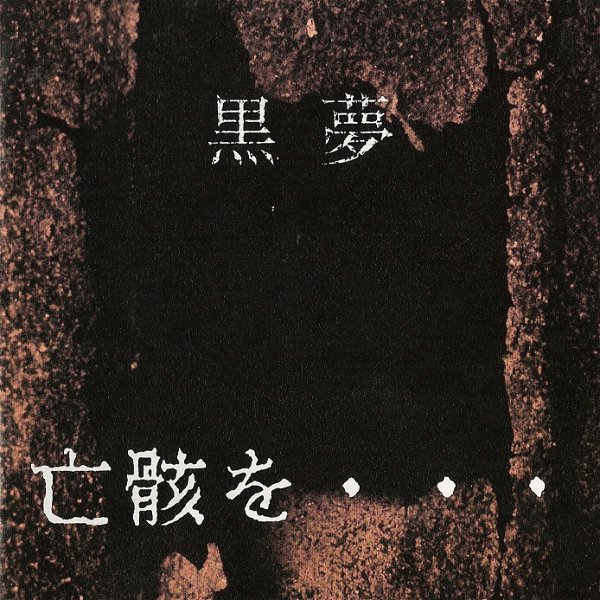

These clear departures from the predominant sound of visual kei are what we now refer to as the first subgenres (or “substyles,” for those who prefer not to call visual kei a genre). While they matter little in the grand scheme of things—bands rarely label themselves as such—categorization is a staple of the nerdier side of the fandom.


Omnibus compilations were especially crucial during this time: they not only helped fans discover new bands, but also displayed the full range of visual kei.590 The iconic EMERGENCY EXPRESS series, for example, introduced future stars like ROUAGE, SIAM SHADE, or Plastic Tree.590
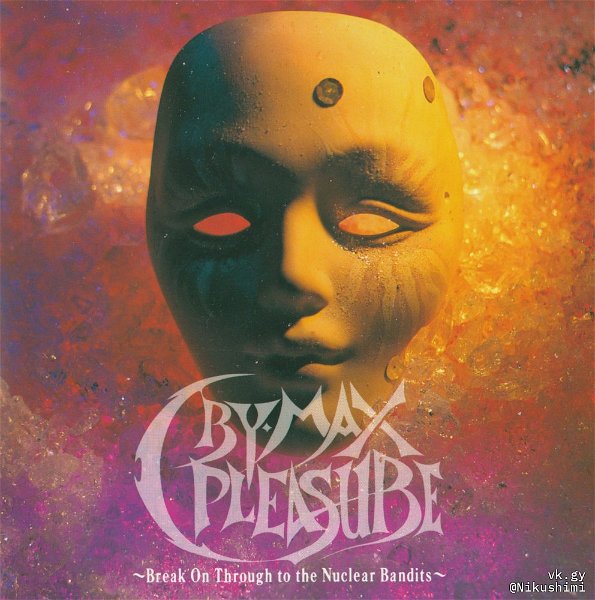

Many of the bands of this era were successful far beyond visual kei, joining X JAPAN and LUNA SEA in a pantheon that we might call visual titans.712 These titans did not have a unified goal or desire to represent visual kei—some even rejected the label—but their charisma and success were the “trigger” for the genre's continued success.
Chapter Ⅳ - 1995~1999 - golden age of visual kei
“Nothing” means anything goes—
you can go anywhere you want to go.hide - ROCKET DIVE
The titans pulled the trigger, and visual kei exploded into the mainstream. In this golden age, a full-fledged visual kei boom occurred, and the genre reached its commercial and cultural apex.
Soft visual kei
Although it is now common to classify early 1990s bands as visual kei, the term did not reach widespread usage until the second half of the 1990s.190194 This recognition also came with ridicule: just like the terms “heavy metal” and “okeshou band” had been, “visual kei” was sometimes interpreted as a pejorative for “a flashy band that can't play.”66421577
In part because of a member change, but also because they wanted to dissociate from the term, Kuroyume (黒夢) shed their visuals prior to their major debut in 1994.50152 Whether for similar reasons or by coincidence, other visual titans like LUNA SEA and BUCK-TICK appeared on TV around the same time with their hair cut short and makeup removed.50152


But media and fans did not suddenly perceive these bands as having left visual kei; instead, definitions of visual kei were adjusted to include them.152181 And thus, in the words of Kuroyume (黒夢) vocalist Kiyoharu (清春), the genre was “accidentally expanded.”152181

This expansion is what we now refer to as soft visual (ソフビ): less aggressive in sound, more radio-friendly in composition, and subdued in looks.152 It can be seen as a continuation of beat rock but without the moodiness of kurofuku kei (黒服系)—catchy and accessible.152268
GLAY, who made their major debut in 1994, were the most commercially successful band of the subgenre (and of visual kei itself).152181 But in real-time it was also very associated with SOPHIA, who had their own major debut in 1995.152181
Kote kei
As soft visual (ソフビ) took the major charts, a more outrageous group of bands flourished at the indie level.623 Beginning around 1994, bands like Deshabillz and PENICILLIN took their kurofuku kei (黒服系) sounds in a speedier and more chaotic direction.712


Of particular note was La:Sadie's, who formed in 1995. They mixed the violent theatrics of Kuroyume (黒夢), the mixed genres of LUNA SEA, and the shouting of D'ERLANGER, and fully embodied a new subgenre called kote kei (コテ系).712189 Their marketing strategies, such as multi-type releases, also became staples of visual kei.652

Upon the breakup of La:Sadie's in 1997, leader KISAKI formed the label Matina, which set the standard for ground-level kote kei (コテ系).348 Competitors KEY PARTY and Soleil also formed around this time, and all three reached nationwide success despite their indie status.348


Meanwhile, the remaining members of La:Sadie's formed Dir en grey.348 Produced by YOSHIKI and signed to Free-Will, they inherited both sides of visual kei, not only representing the highest level of kote kei (コテ系), but becoming trendsetters in the entire genre through the next decade.623712

The visual kei boom
In 1996, the TV show BreakOut! began broadcasting nationwide and brought “local stars” from across the country into viewers' homes.226673 Just like Ikaten (イカ天) before, it became a star-making show.2


BreakOut! was also partially responsible for bankrolling the major debut of SHAZNA in 1997.673
Thanks to the feminine looks of vocalist IZAM, the band's mainstream-friendly sound, and their label's aggressive marketing tactics, a so-called “SHAZNA phenomenon” (SHAZNA現象) occurred.673 They sold almost 900,000 copies of their major debut single, won the Japan Cable Award for Best New Artist, and inspired waves of soft visual (ソフビ) bands.553190

Meanwhile, annual music sales in Japan reached dizzying heights, hitting an apex in 1998 with about 500 million CDs sold.226 This flurry of consumer spending, the popularity of SHAZNA, and the debut of BreakOut! contributed to a full-fledged visual kei boom around 1997~1999.2712


The boom was the height of visual kei's golden age, and the boom's height was in 1998.712 Many bands performed at the legendary Budokan (武道館)—including Dir en grey, who were the first in history to do so while still an indie artist.733 Several achieved million-seller releases, and many others saw the highest sales of their careers, with visual releases topping ORICON every week. And the next year, GLAY would hold one of the largest single-artist concerts in history, which attracted 200,000 spectators.502

Media outlets coined phrases to market the genre:
BreakOut! created classifications like “visual kei idols” or “super visual.”301 SHAZNA, La'cryma Christi, FANATIC◇CRISIS, and MALICE MIZER became the “four heavenly kings” (四天王) due to their success and influence on other bands.26628673 (The latter would become one of the most popular bands among visual kei fans.)


DIR EN GREY and PIERROT, meanwhile, were titled visual kei's “two great leaders” (二大巨頭) because of their charisma and popularity (and alleged feud). And, later, Janne Da Arc was called the “ultimate weapon of visual kei” (ヴィジュアル系最終兵器) due to their technical talent.734


Ryuichi Kawamura (河村隆一) of LUNA SEA and GACKT [formerly] of MALICE MIZER also launched extremely successful solo careers during this era.624625 Ryuichi had a million-seller single in 1997, and his album Love is still the best-selling album by a solo male artist.625 GACKT, meanwhile, holds the title for solo male artist with the most ORICON hits.624


The nationwide hunger for visual kei opened space for other new styles to emerge, like the fantasy-driven, European-flavored tanbi kei (耽美系) of MALICE MIZER and Raphael; or the fairytale pop of cosplay kei (コスプレ系) of Da'vid shito:aL (Da'vidノ使徒:aL) and Psycho le Cému.147364685


The genre was so lucrative that record companies purposely marketed bands like THE YELLOW MONKEY (glam rock) and SEX MACHINEGUNS (metal) as visual kei, despite them having nothing to do with the scene.187 (The “visual-ness” of such bands is still debated today, even though many of them have admitted it was a marketing tactic.)435


There were even a very small number of non-Japanese visual kei bands who emerged at this time, namely ANGEL HEART (엔젤하트) and EVE (이브) in Korea, and SILVER ASH (银色灰尘) in China.


Commercialism
Visual kei's relationship with commercialism heightened during the boom, with numerous bands appearing in TV commercials for things like consumer electronics or beverages.


New magazines and minikomi dedicated to visual kei, like Vicious or Après Guerre, appeared in great numbers. And so did trend-chasing catalogues like Band Hotline, tell-all books from former staff, and unauthorized band scores. Visual kei bands appeared weekly in ORICON's chart publications, as well as in financial magazines explaining the lucrative genre to businessmen, and also in national tabloids.


Stores like Like an Edison and Brand X, which originally focused on genres like heavy metal, became fully dedicated to visual kei. And new stores, like Jishuban Club (自主盤倶楽部), popped up to meet demand. These stores had point cards, special display cases for ultra rare items, huge posters of beautiful bands, and TVs playing promotional videos on loop.


Those stores became an important new arm of the financial network of visual kei with instore (インストア) events: in exchange for purchasing a particular release, fans would get tickets to intimate events where they could interact with band members.652 (X JAPAN was a pioneer of this scheme in the late 1980s.)607 “Tokuten” (特典) {privileges} were also common, which were awarded to those who purchased a particular release from a particular store.652 Fans would often buy multiple copies from different stores to collect all privileges.


Cover art and special editions became especially important, as visual kei fans often purchased releases from unknown bands simply because the artwork was interesting. Multi-type releases with different jackets and coupling tracks became a norm across the genre—a practice which has since been adopted by many other genres.652


Bangya culture
While the early days of visual kei were more evenly split in audience distribution, the fanbase became increasingly female. By the late 1990s, it was common to see a fully female audience at local visual kei shows.628
In the early 1990s, visual kei fans tended to be separated into “tribes,” with names that aligned with their favorite band: such as the “SLAVES” of LUNA SEA.627 But by the end of the decade, all visual kei fans were represented by the term “band girl” (バンドギャル).628
The [mostly teenage] girls naturally formed groups, hanging outside livehouses in fashions that matched their favorite band's worldview—and, like the tribes before them, created a culture.628 They formed guilds, traded business cards with their “live name” and favorite bands, and decorated black trunks with stickers.628


With the internet in its infancy, fans used physical media to connect. They sought penpals in the back of magazines and signed up for informational postcards which bands sent directly to their homes (larger bands even offered fax services).
And to collect feedback, bands passed out enquetes (アンケート) {surveys}, which fans would fill out after lives, sometimes in exchange for a reward. (Some even had a spot for the fan to attach a photo of themselves.)
And although it's not fit to discuss in depth within this article, there was even a small market for “particularly artistic” doujinshi of popular bands.


While most bangya dressed in a way that complemented their favorite bands, a smaller number did cosplay to look like their favorites.628 (Many have expressed that this was important for them as women, since they felt that they were “not allowed” to start bands of their own.)
This practice started with X JAPAN fans in the 1990s, but peaked during the band boom.623722723 Groups congregated before lives at specific spots—the jinguubashi (神宮橋) bridge being the most famous—where they would pose for pictures or compete in cosplay competitions.139628 (Unfortunately, the number of cosplayers declined in the early 2000s as the growth of the internet exposed them to ridicule.)628


Although bangya had a leader-subject relationship with bands, they became the backbone of the genre because of their willingness to spend every ounce of their disposable income to support their favorites.628682 A dedicated group of bangya could keep a band afloat while they worked toward a major contract—and a lack of interest from bangya could sink a band instantly.610 Many bands therefore see bangya as “partners” in success.630
As an aside, music journalist Shoji Noriko (東海林のり子), better known as Rockin' Mama, covered visual kei from its inception, openly praising visual kei bands even when the media treated them with derision.628 As of 2025, she is still attending visual lives in her golden years, and has become revered as the “ultimate bangya.”628


hide
Pausing for a moment, we need to speak about hide. He was not only the star guitarist for X JAPAN, but was allegedly responsible for keeping that band on track with its releases, and for discovering LUNA SEA, GLAY, and ZI:KILL for EXTASY RECORDS.26 He also made a successful solo debut in 1993 and reached #1 with his albums HIDE YOUR FACE and PSYENCE.
Due to his roles in X JAPAN and EXTASY RECORDS, and his influential aesthetics, hide has been called the “beating heart of visual kei.”

Unfortunately, in May 1998, hide passed away. It was a national tragedy: his funeral was broadcast live across the country, and upwards of 50,000 people flocked to the area (though reports differ on the exact number). A museum in his honor was opened for 5 years after, and his gravesite remains a mecca for visual kei and rock fans alike.


His death was followed by other unexpected tragedies: guitarist Hizumi (歪) of Madeth gray'll and bassist Utsukushiibitsu (美歪) of Deshabillz, passed away in an accident while on the way to hide's funeral. In 1999, drummer Kami of MALICE MIZER unexpectedly passed away too; and in 2000, Kazuki (華月) of Raphael also passed.


According to music critic Ichikawa Tetsushi (市川哲史), visual kei “started and ended with hide.”691 His death, and the other unexpected tragedies following it, marked the line between visual kei's highest point and its “ice age” in the new decade.691
Chapter Ⅴ - 2000~2004 - visual kei ice age
It's ok to be a cheeky brat forever, right?
It's ok to go right when I'm supposed to go left, right?baroque (バロック) - Gakidou (我伐道)
With the death of hide and the disbandment of the titans, visual kei entered an ice age. Out of the mainstream spotlight, the genre was forced to evolve even faster than before.
The freeze
The height of the visual boom brought with it negative attention, with many accusing the genre of being overly commercial or lacking in talent. (Some blamed BreakOut! or SHAZNA for that negative perception, although such sentiment seems unfair.)
It was common to see negative comments about visual kei in magazines' comment sections, and some bands even used their non-visual status as a selling point—and, of course, L'Arc~en~Ciel famously stormed out of a TV program after being called visual.


As a result, the visual boom waned in 1999, and was completely over by 2000. Even BreakOut! changed focus and eventually shut down. Most of the visual kei titans had already disbanded by that point, and in 2000, LUNA SEA finally joined them.372 Their activity freeze officially marked the start of a period now referred to as the “visual kei ice age.”372


The number of visual kei bands rose significantly through the boom, and actually continued to rise through 2001 (per our own data). But after that point, the number of band formations dropped sharply, and continued to decline throughout the freeze.556
Rapid evolution
During the ice age, visual kei was forced to evolve to survive.721 This started with kote kei (コテ系), the subgenre that had become the “default” for visual bands at the indie level. As the subgenre reached its highest numbers around 2001, the glut of new kote bands made fans lose interest.556224401 In response, osare kei (オサレ系) emerged.139252
The original form of osare kei (オサレ系), as popularized by baroque (バロック), rejected the self-serious fantasy worlds of kote, and instead focused on the real world—albeit through an irony-laden lens.556224401 Their costumes became less “costumey,” dropping vinyl and feathers for plaid and glasses.252 And their music replaced screams and thrashy guitar with bratty vocal tics and jazz-influenced shuffle beats.139243

Kote kei (コテ系) continued to lose popularity—even Matina was forced to close its doors—so many kote bands abruptly jumped to the new style.623663240 This early marriage of kote+osare is now called the “0th” wave of koteosa (コテオサ), an important subgenre that wasn't recognized until a few years later.


Meanwhile, new osare bands popped up “like mushrooms after rain,” and bands like AN CAFE (アンティック-珈琲店-) took the subgenre in a happier, more fashion-conscious direction.623245 This “colorful” version of osare became the predominant one, with many successful bands of the era falling under its banner.243245661


At the same time, Kagerou (蜉蝣), MERRY (メリー), and MUCC rapidly grew in popularity and became known as the “three great families” (御三家).456 They influenced the sound of innumerable other bands, and were important players in creation of several more new trends.456

Kagerou (蜉蝣) was important to both osare kei (オサレ系) (having been an influence to baroque (バロック)) and later to koteosa (コテオサ). And MERRY (メリー) was responsible for popularizing the nostalgic Showa kayou kei (昭和歌謡系) (which itself overlapped with osare).


MUCC, meanwhile, was associated the avant-garde collection of bands known as Misshitsu kei (密室系).217712 These bands, who are said to have inherited the “spirit of NAGOMU RECORDS (ナゴムレコード)” would appear at events organized by cali≠gari. The white-painted shironuri kei (白塗り系) bands and retro digital pikopiko kei (ピコピコ系) bands often overlapped with this group, as did bands who weren't visual at all.269364


The sludgy sounds of MUCC also contributed to the emergence of a style now called loud kei (ラウド系), which was bolstered by the nu metal sound of Dir en grey.281317623 At the same time, the Japanesque style wafuu kei (和風系) took off around Kagrra, and iryou kei (医療系) (defined entirely by its medical themes) appeared in the earliest subgenre lists compiled by Japanese fans.364252431628


Internet culture
Online, different transformations were taking place. In the new millennium, BBS and discussion boards like 2ch flourished.3189 The notoriously “colorful” banter of anonymous bangya (and bandmen) would come to shape visual kei itself.682 At the same time, resources like Yuukin Homeroom (有菌ホームルーム), grassthread, vkdb, and VISUNAVI (among innumerable fansites and blogs) began recording the history of visual kei.

The rise of the internet also brought visual kei to the West for the first time: fansites like Invasion Dream promoted their favorite bands; blogs like JrockNYC and Glam Japan chronicled the scene in Japan; MP3 rotations and P2P software made songs piratable; and stores Third Stage and Brand X made it possible for Westerners to purchase releases (albeit through a slow and difficult process involving physical checks).


Also altered was the relationship between bands and fans. In the 1990s, when contact with them was limited, bands enjoyed an almost mythical status. But the internet made it possible (and necessary) for indie bandmen to communicate directly with bangya via BBS, email, and so on, which resulted in something like a one-sided friendship.628 (This was exacerbated by osare kei (オサレ系), which purposely broke the “fourth wall” between performers and audiences.)241


New companies
Around 2003, the label system strengthened to support the newly-diversified genre. In particular, former Matina owner KISAKI founded UNDER CODE PRODUCTION, which would again typify the indie scene.150355 At the same time, PS COMPANY (which actually formed a few years earlier) began producing uber-successful acts that would lead the major scene.289


Those labels, along with Speed-disk, L∞p・Ash RECORDS, and many others, not only competed, but lifted each other through joint events and crossover omnibuses like the CROSS GATE series. They also lifted the visual scene itself through their consistent financial support of sublabels, livehouses, designers, shops, and magazines—often owned by the same parent company, so as to funnel money back into their own activity.

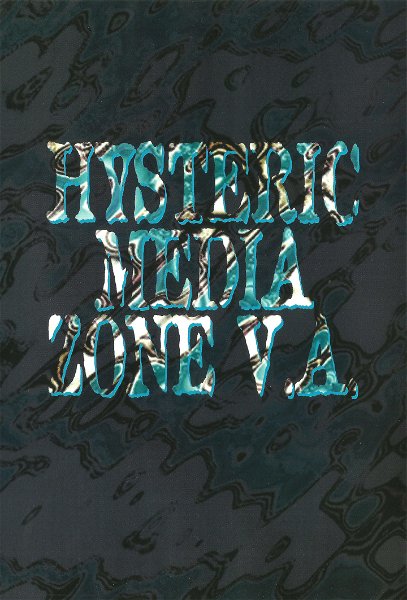
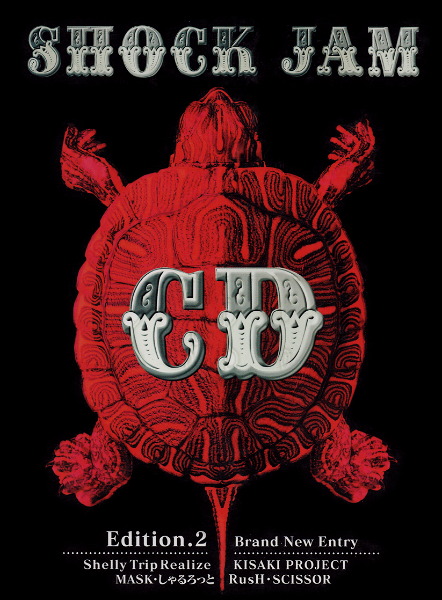
We must also mention Free-Will here: while EXTASY RECORDS was perhaps more important in the early days of visual kei, it had long since wound down; Free-Will, meanwhile, had continued to sign new visual bands (and continues to do so as of 2025). And even more importantly, it served as a distributor for most indie labels through the 2000s.


2003 was also when the magazine Cure began publication, which vowed to give indie bands the same attention that major ones enjoyed. Its Japanesque Rock Collectionz Cure omnibus from 2004 is a particularly good snapshot of the bands that would rule the latter half of the 2000s.359684


Though the visual kei ice age represented an end to the genre's exponential success, it was not an end to visual kei itself. The vacuum caused by the end of the boom and the disbandment of the titans led to new stars, and these stars would create their own boom in the latter 2000s.
Chapter Ⅵ - 2005~2009 - neo visual kei
Just bluff your way through and act cool;
if it works out in the end, it's all good, right?
V-ROCK wins!!miyavi (雅-miyavi-) - Shouri no V-ROCK!! (勝利のV-ROCK!!)
The rapid evolution of the ice age created new stars, and a second visual boom followed them. Visual kei seemed poised to conquer the world.
New success
Through the second half of the 2000s, visual kei seemed poised for another mainstream breakthrough. Kagrra, and miyavi (雅-miyavi-) went major in 2004; MERRY (メリー) and the GazettE in 2005; and Kra in 2006. That same year, the GazettE and MUCC played Budokan (武道館), as did NIGHTMARE (ナイトメア) and Plastic Tree in 2007.

The playbook of the 1990s was in full effect: small labels chose bands with organic local success and pumped money into them to grow their fanbase, then major labels signed them, secured anime tie-ups to introduce them to the nation, and pushed for high ORICON placements.
One such band was SID (シド), who built incredible momentum at the local level (within a few months of formation, their demotapes were already being found on premium shelves at shops). They then joined middle-major label DANGER CRUE, wherein they managed a string of top ten ORICON hits and a Budokan live despite being indie. Their crossover success led to a major debut in 2008, and a string of famous anime theme songs gave them international recognition.

PS COMPANY was particularly good at this playbook, scooping up local darlings, changing their lineups, and pumping money into them.289 In 2005 it opened a sublabel, PS music, just to handle its major artists. And in 2007, it opened Indie PSC., a sublabel with the express goal of transforming fledgling bands into major acts. In 2009, the label held its own event at Budokan, and tickets completely sold out in one day.


The second visual kei boom
The success of these bands coincided with a large media push of “neo visual kei.”628289 The so-called neo visual bands did not represent a new subgenre (as is commonly misunderstood), but rather a new era of success that triggered the second visual kei boom.457660289
The boom was also partially driven by the temporary revivals of titans X JAPAN and LUNA SEA. According to journalist fuyu-showgun (冬将軍), these revivals made it “acceptable” for bandmen to admit that they had been inspired by those bands—in previous generations, it was seemingly taboo to mention anyone other than Western artists.457628


This second boom would prove much smaller than the first, but nevertheless led to a string of major debuts from bands like GLACIER (グレイシア), Dolly, and DOREMIDAN (ドレミ團) (among many others). Even UNDER CODE PRODUCTION, which was very closely associated with the indie scene, produced a few major-level bands around 2007.289


Most of those bands fell under koteosa (コテオサ), which utilized costumes with kote-esque silhouettes with osare-esque colors, and songs that abruptly transitioned between aggressive rock and poppy choruses.148224 This was all overlayed with a glossy sheen that made bands seem more professional and idol-like than earlier generations. Bands like NIGHTMARE (ナイトメア), the GazettE, and VIDOLL all fell under this banner.628

At the same time, what we now call the second wave of loud kei (ラウド系) also occurred. As DIR EN GREY performed overseas and took their music in a direction more clearly inspired by Western metal, bands like Rentrer en Soi abruptly changed their names to uppercase, stripped-down their looks, and followed suit.132


The early tanbi kei (耽美系) of bands like MALICE MIZER was inherited into and perfected by Versailles during this period.143 They paired costumes of European royalty with the sound of symphonic power metal, and became the template for future tanbi bands.272 D and MATENROU OPERA (摩天楼オペラ) would also become associated with the subgenre—and all four bands mentioned here would eventually participate in the tanbi super-project, JVM Roses Blood Symphony.

Meanwhile, a smaller trend emerged around bands like Sugar and Moran, who adopted surreal, art-inspired concepts, and a delicate fusion of rock and jazz. They would later be identified as early art kei (アート系) (a much less established subgenre than the others, which was only named many years later).


Working bandmen
With the fourth wall broken, bandmen (バンドマン) {men [who play in visual] bands} became more open about the work required of them. And in some ways, there was more work required than before: unlike the days of the bubble economy, only the top tier of visual kei bands could afford to live off music alone.628
Compared to other genres, the economic barrier of entry was high: elaborate costumes, photoshoots, and professional graphic design were necessities for visual bands, but required significant investment. (And as the internet became more robust, high-quality MVs (music videos) were added to the list.) Many bands began doing this work on their own.


The financial pressures were compounded by outside factors, such as the norma (ノルマ) system, wherein some livehouses required bands to sell a certain number of tickets or pay for the difference.404 And many bandmen, due to their colored hair, tattoos, and unusual schedules, were unable to find regular jobs, instead doing temp work, a.k.a. arbeit (アルベイト).628
Much of the labor required to run a band was done for free. Staff positions were often volunteers, and roadies were rewarded with training toward their own bands. Bandmen were also expected to spend time cultviating relationships through blog entries, magazine columns, and birakubari (ビラ配り) {handing out flyers}. It was common to see bandmen, often in full costume, handing out flyers outside of larger artists' shows.


Modern bangya
Earlier “band girl” phrases were shortened online to the much more common bangya (バンギャ) in the early 2000s, and many bangya practices also became more firmly established during this time.627628

While bangya are not monolithic—it is common for bands or labels to have bangya of different “vibes”—many of the following traits are still true of the collective as of 2025.
A common bangya experience might include taking pictures with the lineup board outside of the live, lining up in the order of their ticket numbers, stopping by lockers to store their bags, and ordering themselves on the livehouse floor (with more diehard fans in the front, in front of their favored member of the band).
They might not stay to see all of the bands: instead, they tend to change order between bands, or even file in and out. Participation during the live also varies depending on the bangya's enthusiasm; some might even sit on the floor or turn their backs if they are trying to send a message.


Either prior to or after the live, bangya will file to goods tables (a.k.a. merch tables), which tend to be manned by staff, or the musicians themselves (in the case of smaller bands).
Visual kei band merch went through its own evolultion during the 2000s, as photosets (glossy 3x5 prints of bands' official photography) became less popular and were replaced by cheki. Later in the decade, muffler towels, light-up wands, and rubber bracelets became common, and acrylic stands have become standard in the 2020s.


Cheki (チェキ) became an especially important part of the visual kei ecosystem.651 These instant photos taken with Polaroid cameras were cheap to make, could be sold for a premium, and gave fans one-of-a-kind merch—cheki often outsold CDs as merch entirely.651720 Cheki were generally purchased blind, with bangya paying for large sets and then trading after shows to get cheki of their favorite member.628651


Furitsuke (振り付け), or coordinated audience movement during performances, was solidified during the 2000s too.
It was not invented then: X had the “X jump,” wherein audience members crossed their arms and jumped, since the 1980s. Some kote bands had coordinated movements during particular songs. UCHUSENTAI:NOIZ pioneered oritatami (折り畳み), or a folding at the waist during heavy parts (also attributed to PIERROT). And Psycho le Cému led their audiences in complex choreography.
But during the 2000s, this culture was “codified,” with bangya creating names and definitions for certain moves, and koteosa bands writing songs with particular moves in mind. (Some bands even paired moves with muffler towels or other merch to encourage purchase.) These movements so standardized that many bangya can guess which is required from a particular song while hearing it for the first time.
One of the most prominent moves is headbanging (ヘドバン), which itself has several named variations. Bangya are famously able to generate strong winds purely from the coordinated whipping of their long hair.


Overseas push
A large part of the success of the neo visual kei era was owed to anime tie-ups: bands like NIGHTMARE (ナイトメア), the GazettE, alicenine. (アリス九號.), and SID (シド) were able to increase their profiles with just one theme song.26452 And, crucially, this also put them in front of the rapidly-growing number of anime fans in the West.

Because of the new interest from anime fans in the West, domestic companies began pumping money into overseas expansions:280
DIR EN GREY, the GazettE, and others performed overseas; GAN-SHIN RECORDS and CLJ Records collaborated with several labels to release European editions; Visual-kei DVD Magazine was sold in Hot Topic; Cure founded a US-based spinoff; English books like jrock, ink. were published; the first US visual kei store opened in LA; HearJapan (an iTunes-like service) made visual kei legally available online; and so on.
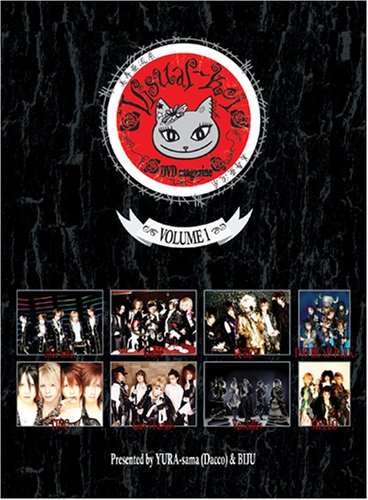

Visual kei bands also received media attention outside of Japan for the first time. Music videos aired on specialty channels, primarily in Europe and South America. Small subcultures of teens, such as the “visus” in Germany, spontaneously grew, and were reported on by various networks.721 Bands even occasionally appeared in interviews on TV, or in specials explaining “jrock” to parents. And visual bands became a staple at anime cons.644


It is also around this time that non-Japanese visual kei bands emerged in greater numbers: Glazed Rose (琉璃蔷薇) in Shanghai; Naraku~Naraku~ (奈落~ナラク~) in Taiwan; MaleRose in Thailand; Visual MooN in Mongolia; Kogure (コグレ) in Germany; Pinku Jisatsu (ピンク自殺) in Spain; eqlipsE in Canada; TENSHI NO YUME (天使の夢) in Mexico; and so on. These were not known within Japan, but reinforced the spreading popularity of visual kei among worldwide otaku.721644


One might say that the height of this expansion was the Jrock Revolution Festival, which was held in Los Angeles in 2007 and organized by YOSHIKI himself. It featured many of the biggest neo visual stars (including DuelJewel, the very first visual kei band to tour the US in 2002).644


Unfortunately, as the next decade started, the expansion would flatline, the boom would bust, and visual kei would enter a difficult new period.
Chapter Ⅶ - 2010~2019 - undead visual kei
No matter the beauty of the words you string together,
they're meaningless if they don't get a point across.
Is this how it ends?R-Shitei (R指定) - VISUAL KEI IS DEAD
The second visual boom ended before it began, and institutions of the genre began crumbling. As bands struggled through the destruction, visual kei received some of its due recognition.
Tragedies
In August 2009, Versailles bassist Jasmine You unexpectedly passed away. A year later, in July, Kagerou (蜉蝣) vocalist Daisuke (大佑) also suddenly passed. One more year later, X JAPAN bassist TAIJI passed away; and the next day, Kagrra, vocalist Isshi (一志) committed suicide. And, of course, the tragic Tohoku earthquake of 2011 affected all of Japan.
Although these events were unconnected, they hung like a black cloud over the start of the decade.


The boom ends
As the 2010s began, it became clear that the second boom had ended prematurely.280 Part of the blame was changing consumer trends: Japanese wages were at a low at the turn of the decade, and music sales (which had dropped every year since 1998) reached pre-1990s levels.569648
But the blame was also on major labels failing to promote artists like they had during the 1990s.569 They also moved too slowly: for many bands, there was a delay of several years between the height of their indie fame and their major debut.290660720 These “too late” debuts failed to meet the major labels' expectations, so bands like ν[NEU], exist†trace, or AND (アンド) were shuffled between companies, demoted to indie status, or forced to disband.645558


The expected overseas expansion of visual kei also flatlined. This was in part due to racism among some Western countries, who were not yet as open to Asian culture as they would become later.318 Some bands who performed overseas were met with ridicule, and visual kei generally failed to expand beyond anime fans (who were themselves outcasts in some countries).318
Another part of this may have been that Western visual kei fans were much less willing to spend money than their online presence suggested. HearJapan famously announced that it would stop carrying visual kei releases due to visual fans producing the fewest sales of any genre. Physical releases from overseas labels also slowed to a stop, and the planned second edition of Jrock Revolution failed to materialize.
Visual kei is dead
Without successful major debuts or successful overseas ventures, the visual kei market contracted. This led to labels like L∞p・Ash RECORDS, Sequence Records, and UNDER CODE PRODUCTION closing in quick succession. Even, PS COMPANY, once a reliable star-maker, failed to achieve major debuts for its latest recruits. Those recruits, along with star band the GazettE, would leave the label within the decade.572

The closures were brutal to the visual kei ecosystem. Labels were the primary clients of livehouses, graphic designers, costume makers, and so on, and their sudden absence left the scene without a foundation. Some bands were able to take those costs on themselves, but many were simply unable to.
This also coincided with YouTube, and later Spotify, finally decimating physical sales in Japan like they had done in the west. Visual kei stores like Brand X, Like an Edison, and closet child closed branches or stopped business entirely. This also meant many bands could no longer afford to press physical CDs, or had to reduce the quality of them so much that their worldview-affirming power was completely removed.
FOOL'S MATE, the long-running magazine for major-level visual kei, ended in 2012; and SHOXX, responsible for coining the term “visual kei” in the first place, ended in 2016. The indie-level magazine Cure lasted longer, but was forced to decrease in quality several times to survive.


In 2012, both NEGA and R-Shitei (R指定) released songs that seemed to summarize the feeling among the visual kei scene: “VISUAL IS DEAD.”
Looking to the past
Perhaps because the modern scene was having problems, much of visual kei seemed to look backward at this time.
DEAD END, who had been directly responsible for much of the sound of early visual kei, revived in 2009. And X JAPAN continued their off-and-on revival with a performance at Madison Square Garden which drew 15,000 fans (a record for Asian artists).


And throughout the era, a slew of nostalgic meta projects were released: the cover omnibus albums CRUSH!, Counteraction, V-ANIME ROCKS!, and V-ROCK DISNEY; as well as respect albums paying tribute to hide, SADS, Kuroyume (黒夢), BUCK-TICK, and DEAD END.

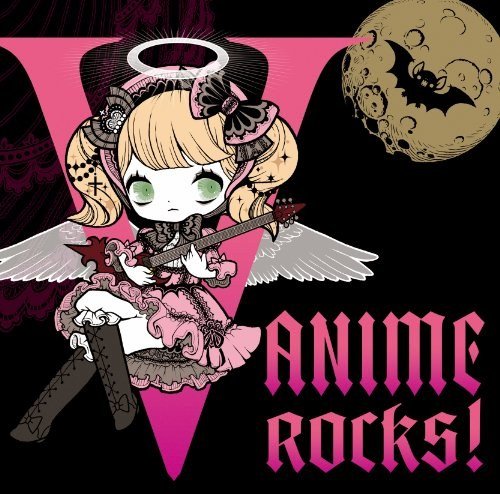

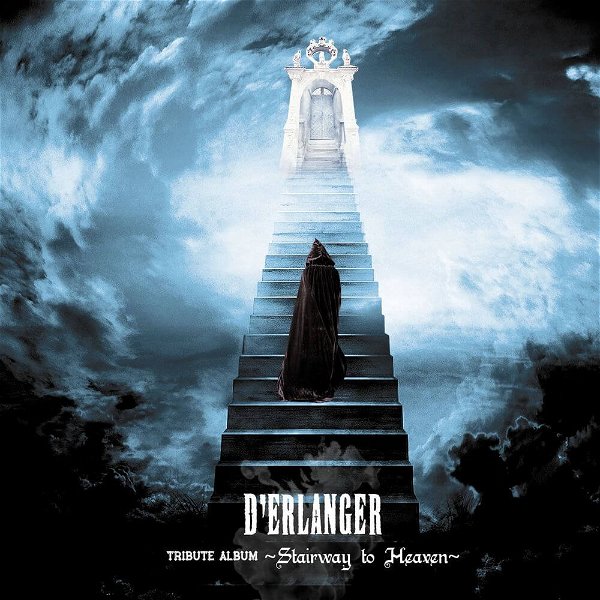
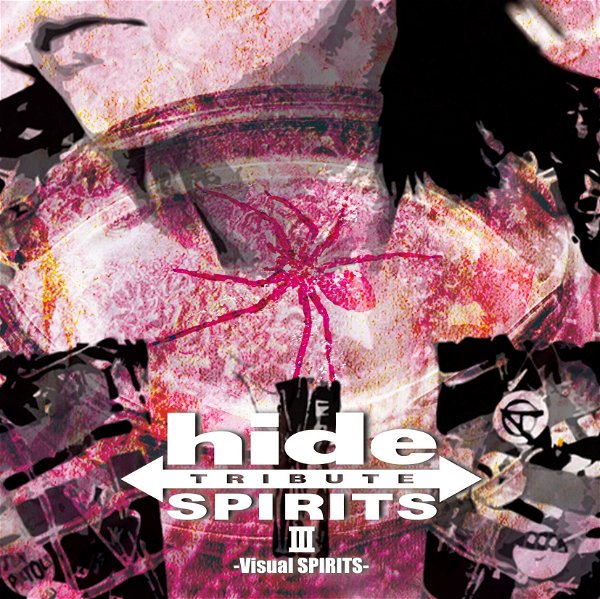

This backwards-looking gaze was exemplified by a micro-trend of homages. Bands like GRIEVA (グリーヴァ), whose concept was “successors to the good ol' days” (古き良き時代の継承者), unabashedly emulated early Dir en grey; La'veil MizeriA paid homage to Matina, even including the label's logo on their album; and so on.


Of particular note during this era was GOLDEN BOMBER (ゴールデンボンバー), a comedic “air band.”2553 They were very public about their reverence for visual kei—especially vocalist Kiryuuin Shou (鬼龍院 翔), who contributed to innumerable talks and articles about the genre.87 The band even released †THE・Vkeippoi Kyoku† (†ザ・V系っぽい曲†) {THE vkei-ish song} which masterfully distilled decades of visual kei trends into just five minutes.
Visual kei is undead
Through the “destruction” of visual kei, some bands persisted, and some small success stories emerged. Visual kei was not dead; to borrow the words of NIGHTMARE: “V-KEI is not dead, cuz they're undead.”
GOLDEN BOMBER (ゴールデンボンバー) was one such success story. Despite famously refusing invitations from major labels, they reached mainstream stardom.641691 By 2012, they consistently landed in the top-ten of ORICON, held a two-day live at Budokan (武道館), and even appeared on the TV show Kamen Rider Wizard (仮面ライダーウィザード).

Meanwhile, new subgenres emerged. The lineage of osare kei (オサレ系)—whose stars were no longer the “youths” that they had been a decade prior—evolved into kirakira kei (キラキラ系).238275 It was a more mature style, with bands like Vivid or SuG appearing in princely, glittering, idol-like costumes, and playing pop rock with walls of sparkling digital noise.335


And in contrast to them, menhera kei (メンヘラ系) bands like R-Shitei (R指定) and AvelCain, rode the wave of pop culture's glorification of mental illness.295308680 They were thrashy and dark, and adopted a worldview centered on self-harm and sexual deviancy, but in a way that was closer to what bangya actually experienced; realistic masochism, rather than the sadistic fantasy worlds of their kote predecessors.628295


New labels appeared too, filling the vacuum left behind the closures of the old guard. Each was built around a particularly successful band: GOEMON RECORDS, with ARLEQUIN (アルルカン); -AINS-, with DIAURA; FORUM, with MEJIBRAY; and so on.
The most successful of these was probably B.P.RECORDS, whose stars like Kiryu (己龍) and Royz managed top-ten ORICON placements despite their indie status. The former band even performed at Budokan (武道館) in 2015 (the latter did too, but in 2026).


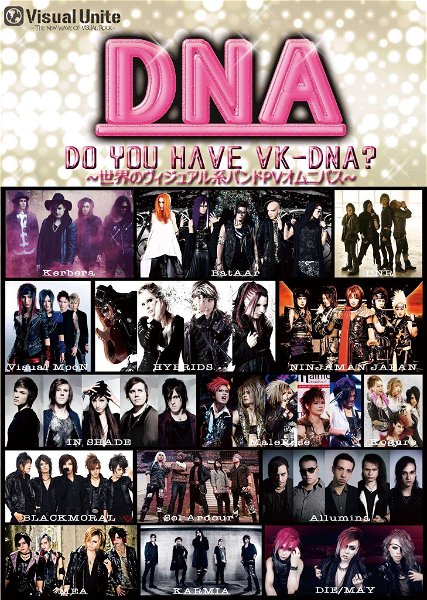
A small number of non-Japanese bands actually received recognition within the country at this time, namely a small scene of Sweden-born artists like BatAAr, SEREMEDY, YOHIO. Several, like Indonesia-based MEA and Thailand-based MaleRose, performed at the Cure World Visual Festival in Japan in 2016, and many more appeared in the Cure NEW AGE COLLECTIONS omnibuses.

Reverence
The second half of the 2010s kicked off with LUNATIC FEST., a miraculous festival organized by LUNA SEA which drew over 60,000 attendees.681 While not limited to visual kei, it featured several huge stars from the genre, like LADIES ROOM, DIR EN GREY, SIAM SHADE, DEAD END, X JAPAN, GLAY, AION, and BUCK-TICK.

The following year, in 2016, the legendary three-day festival VISUAL JAPAN SUMMIT was held. It was organized by YOSHIKI (who openly stated that he was inspired by LUNATIC FEST.), and it drew over 100,000 fans. Its lineup included stars from every generation of visual kei: early titans X JAPAN, LUNA SEA, and GLAY; turn-of-the-millennium greats Psycho le Cému and MUCC; neo visual stars SID (シド) and lynch.; and popular modern acts DIAURA and DaizyStripper; among many others.

And in 2017, PIERROT finally held a long-awaited (albeit temporary) revival for ANDROGYNOS, a two-day twoman with DIR EN GREY. This was especially shocking as the two bands were long rumored to have a bitter rivalry (despite their status as “visual kei's two great leaders”).

Elsewhere in the decade, artist Kani Menma (蟹めんま) chronicled her experiences as a bangya in Days of BanGal (バンギャルちゃんの日常). Meanwhile, music critic Tetsushi Ichikawa (市川哲史) released several books, culminating in a collaboration with writer Chiaki Fujitani (藤谷千明) called Every Road Leads To The Vkei. (すべての道はV系に通ず。). VISUAL ROCK PERFECT DISC GUIDE 500 was also released, which catalogued the genre's best albums. And in 2017, mainstream TV program SekiJAM (関ジャム) broadcast a well-received special summarizing the genre.536


This new willingness to embrace the word “visual,” and the sudden attempts at recording the scene's evolution, prove that somewhere in the rubble of the destructive decade, visual kei earned true recognition.
Chapter Ⅷ - 2020~ - formless visual kei
Bind God's mouth and drag Him to this world.
There's no ENDLESS RAIN, no falling BLUE BLOOD.
Devour everything—leave behind red scars.
And maybe someday this nameless dream will come true.KIZU (キズ) - R/E/D/
With the complete destruction of visual kei's infrastructure, the genre entered its most uncertain era. But a new generation seems prepared to raze the past so that a new future can be built.
COVID-19 and tragic deaths
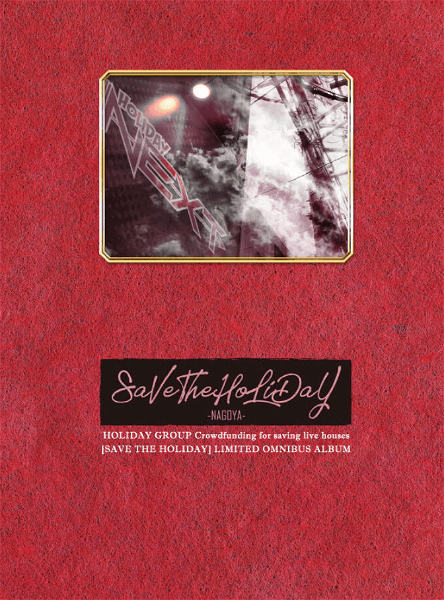
Any momentum that visual kei had built through the 2010s was wiped out by the COVID-19 pandemic in 2020.554 CD sales plummeted; more record shops closed; labels of all sizes slowed down; Cure ceased publication; and livehouses closed in record numbers, despite donation projects like SAVE THE HOLIDAY and ROCKMAYKAN Densetsu (鹿鳴館伝説).594

Then, unexpected deaths: guitarist YOU of DEAD END in 2020; vocalist aki of Laputa, vocalist ISSAY of DER ZIBET, and vocalist Sakurai Atsushi (櫻井 敦司) of BUCK-TICK all within a few months in 2023; and bassist Reita of the GazettE in 2024.


New adaptations
Despite those tragic events, and despite the dismantling of visual kei's institutions over the preceding decade—visual bands seem to have found renewed fighting spirit in the first half of the 2020s.
Throughout the pandemic, bands explored ways to preserve the livehouse experience (even as media outlets disparaged them for doing so).554 Shout-free lives and no-audience lives became common, and many bands embraced streaming on platforms like ZAIKO. They also finally embraced streaming services: most active bands are now available on platforms like Spotify, and legacy bands are being added all the time.


Visual kei bands also embraced modern social media in a new way.554 0.1g no Gosan (0.1gの誤算), for example, went viral several times with videos of their gimmick concerts like “kids-only oneman;” as did HITCHCOCK (ヒッチコック), with clips of their only-in-vkei theatrics; and so did Shingeki no Awake (進撃のあわけ), in their over-the-top decora fashion; and so on.667


Grassroots popularity in the West
These increased digital presences, along with increasing acceptance of Asian culture, led to new popularity in the West. And unlike the neo visual era, this was grassroots, with no marketing push to be found.
On Twitter, constant memes about Atsushi Sakurai and Mana turned BUCK-TICK and MALICE MIZER into god bands for many young music fans. Similarly, the GazettE became so popular with Western netizens that their album NINTH reached #1 on several digital charts. (Both Reita and Atsushi trended globally for months after their deaths.)


TikTok became arguably even more influential. It made SHAZNA (and IZAM in particular) extremely popular with young fans, despite having been relatively ignored in the West in prior decades. And Kuchuu BLANCO (空中ブランコ) by Plastic Tree broke out of the visual kei fandom, suddenly garnering millions of plays on Spotify.


Menhera kei (メンヘラ系) proved especially popular among teens discovering visual kei through TikTok:
Moshimoshi (もしもし) by Mamireta (まみれた) inspired a viral trend; the Strange Rabbit MV by Lyrica (リリカ) reached 1 million views; and gulu gulu and Kane to Juusei (鐘ト銃声) gained huge online fandoms (which often battled each another). The latter, despite a relatively small presence in Japan, has since become the most viewed artist on vkgy ever.


TikTok was also responsible for changing the definition of visual kei. For many, it was reframed as a personal fashion style with alleged rules such as an emphasis on DIY clothing. It was even included as a theme in the viral Roblox fashion game Dress To Impress, further separating the phrase “visual kei” from its reality as a music genre.


To others, visual kei was reframed as a counter-culture political movement and/or an expression of gender non-conformity.721 While this view of visual kei is largely absent in Japan—and is likely a result of Western fandom having a larger proportion of LGBTQ+ fans—it has been a boon to many who struggled to accept themselves.57628721


Meanwhile, DEXCORE, DEVILOOF, and JILUKA became breakout stars thanks to the virality of their MVs on YouTube reaction channels; combined, they have millions of views. They, along with DIR EN GREY, and Japanese metal in general, have become revered by Western metal fans. And unlike decades past, this reverence is in part because of their looks.
It has also become not-uncommon to see artists from the West, who grew up during the neo visual boom, openly professing their love for visual kei.


A new generation of event organizers like KILLING DAZE, VKBeats, and Chaotic Harmony has also led to an increase in overseas performances from smaller bands in Europe and South America. Many fans, both in Japan and abroad, began organizing their own events, like the successful Visual-kei Night DJ series in Europe or Paradoxical J-Music Party in South America.


Appreciation in Japan
In 2022, the hashtag #DoYouKnowVkei? (#V系って知ってる) went viral in Japan, with participants making posts about old and new bands alike. It soon turned into an ongoing media project, with an event of the same name being held at Budokan in December. The event paired young stars with established ones, along with several respect sessions dedicated to titans of the genre. The project has continued with a radio series and other events.

The first half of the 2020s was also packed with shocking revivals:
In 2019, Nagoya kei (名古屋系) legends deadman revived. Just a few years later, predecessor band kein also shockingly revived, and simultaneously announced their major debut.
In 2022, a supergroup of YOSHIKI, HYDE, SUGIZO, and MIYAVI called THE LAST ROCKSTARS began activity. Although similar to the failed neo visual era supergroup S.K.I.N, the new project managed to release several singles and hold a successful world tour before ending activity.
In 2023, soft visual (ソフビ) legends Waive revived; and in the same year, boom-era kings SHAZNA.


In 2024, DIR EN GREY and PIERROT held another ANDROGYNOUS, and SADS began a limited revival. Titan Kuroyume (黒夢) launched its own in 2025, and in the same year SIAM SHADE and SOPHIA held a joint concert—shocking, considering their opposition during the band boom.
And in 2025, CROSS ROAD FEST paired SHAZNA and Waive with one-day revivals from soft visual greats FAIRY FORE and L'luvia—as well as titans like D'ESPAIRSRAY and La'cryma Christi, who both shocked fans by announcing plans beyond that live. The event was universally praised online, with all bands being called “shockingly good.”


Parodies of visual kei also became more prevalent, but with a feeling of in-genre care (as opposed to the parodies from non-visual comedy troupes in years earlier).
In 2022, GOLDEN BOMBER (ゴールデンボンバー) released a three-part series parodying different eras of the genre. The same year, SUPER JASSY (超ジャシー) released †VISUAL・MYSTERIOUS† (†ヴィジュアル・ミステリアス†). And DIVERS † CROIX (色々な十字架), a parody of golden age visual kei meant to be a one-off project, turned into a full-time band because their classic visual kei sounds were so appealing (and because their comedic lyrics were so ridiculous).717
Such homages have crossed over into the mainstream: in 2025, X JAPAN was [infamously] paid homage in the anime DAN DA DAN (ダンダダン). And just after, LUNA SEA participated in an official parody collaboration with McDonald's called LUNA CHEE.


Renewed appreciation also resulted in an unfortunate new era in collecting. After a SHËY≠DË demotape sold for an unprecedented 100,000 yen, a cottage industry of bootleggers appeared who routinely auctioned fake copies of demotapes for huge prices, targeting maniac collectors in Japan and abroad. One particularly problematic seller even sold demotapes from bands that never existed—complete with fake biographies and artwork.
New stars, new mediums
One of the first stars of the new decade was -Shintenchikaibyaku Shuudan- ZIGZAG (-真天地開闢集団-ジグザグ), who suddenly leapt from the indie visual scene into mainstream culture around 2020. Just two years later, they were able to perform at Budokan as an indie act—the first visual kei performance at the hallowed venue in 5 years.

The #DoYouKnowVkei? (#V系って知ってる) event at Budokan was also held in 2022, and established ARLEQUIN (アルルカン), DEZERT, and KIZU (キズ) as young scene leaders. DEZERT performed at Budokan in 2024 and went major after; KIZU (キズ) held their own performance there in 2025; and Royz in 2026. Neo visual kings lynch. and the GazettE also held Budokan lives in 2023, and soft visual legend Waive concluded their revival there in 2026.


DEVILOOF, JILUKA, and DEXCORE, who are now recognized as the “three heads of vkei metal” (V系メタル三大巨頭), have been afforded opportunities like performing at Resurrection Fest in Spain, or touring the US with Imminence (both to overwhelming praise from Western metal fans). And DIR EN GREY, of course, has continued their string of successful solo tours overseas, and is now evaluated as one of the most talented metal bands, period.


New companies have bloomed around the new visual stars. KIZU (キズ) expanded their own label, DAMAGE, with a promising young act named sugar. Bloom and PARAGUAS INC. found success, and GOEMON RECORDS (an important figure in 2010s visual kei) founded a popular series of audition lives and video programs called MASKED. Freepaper Vijuttoke, meanwhile, began a festival series called Festtokke!!; and VISUNAVI, now under new management, launched its Khimaira event series.


In terms of non-Japanese bands, Madmans Esprit (매드맨즈 에스프리) from Korea has become a genuine staple in the domestic visual scene (and one of the most popular bands among Western teens); glamscure, whose vocalist is Italian, has been active in the country for a decade; and US-based soloist Canary Complex received praise from KAMIJO for their album.
China developed a small but strong scene, with artists like Lin (凛-Lin-) and the Naraka (奈落) active there and in Japan, and artists like Azavana and THE MADNA frequently visiting Shanghai.


The 2020s also saw visual kei adapted to new media:
Several manga series have been released, including 47sai, Vkei (47歳、V系) or Shounen Visual Rock (少年ヴィジュアルロック). A visual-themed anime, VISUAL PRISON, was released in 2021, and a live-action movie, V.MARIA, in 2025. In the realm of video games, Overwatch 2 added a visual kei skin for its hero Kiriko in 2023; Dress To Impress added visual kei as a theme in 2024; and in 2025, the visual novel game BANGYA Simulator released.


The era also saw new attempts to record the unwritten history of visual kei: In 2022, journalist fuyu-showgun (冬将軍) published a comprehensive book about golden era vkei called Shirarezaru Visual Kei Band no Sekai (知られざるヴィジュアル系バンドの世界). The same year, survey project Gyaotoko ga Erabu Meiban BEST50 (ギャ男が選ぶ名盤BEST50) was published. And over several years, Visual Doctor Noru (ヴィジュアル博士のる) created the #VkeiGenealogyChart (#V系系譜図) and a 13-subgenre single series.


Meanwhile, there have been various attempts to push visual kei beyond the rock band format, such as the guitar-playing mascot Buinyasu (ぶいにゃす); or 2D bands like Vkei Entai Executioner (V系戦隊エクスキューショナー); or visual kei Vtubers like 詩泉-CiXEN-; or even the [controversial] self-proclaimed visual kei idols (ヴィジュアル系アイドル) like G'ELMINATI.


What is visual kei, now?
At Budokan in 2025, KIZU (キズ) debuted the song R/E/D/. Its lyrics make loving reference to gods of visual kei: the “blue blood” of X JAPAN; the acropolis “hill” of DIR EN GREY; the “dreaming birds” of MUCC; and the “iron-cutting blade” of girugamesh; among others. The same lyrics declare that those gods must be devoured, and the past sliced apart, so that a new dream can come true.

The song is not only a declaration of one band's intent, but a rallying cry for the scene itself: an acknowledgement that the old structures are gone, and bands must blaze their own trail through a new visual kei.
This stands in the face of the declarations a decade prior that “visual kei is dead.” Just like with punk and heavy metal before it, the “death” of visual kei was not an ending, but a transformation from insular scene to a genre that inspires beyond its borders.
So, what is visual kei now? It is a mature genre that has finally earned recognition; it is a scene that inspires culture beyond its borders; it is an ideal of beauty, excess, and individualism that appeals to successive generations; and it is a battleground of new bands, fighting to carve their own legacy into 35+ years of history.
Edit history
- 2025-12-24: published
- 2026-03-19: replaced VISUAL IS DEAD embed
Sources
- https://kansai-u.repo.nii.ac.jp/record/201/files/KU-0010-20180331-09.pdf
- http://webcache.googleusercontent.com/search?q=cache:x6S3sTb6xw4J:egg.2ch.net/test/read.cgi/visual/1496246095/l10&cd=1&hl=en&ct=clnk&gl=us
- https://japan-metal-indies.com/html/44magnum/index.html
- https://the-comm.online/ja/blog/the-history-of-visual-kei/
- https://www.musicman.co.jp/interview/19119
- https://twitter.com/fjtn_c/status/1501379224048910344/photo/2
- ヴィジュアル・ロック パーフェクト・ディスク・ガイド 500
- https://www.youtube.com/watch?v=lYNGOvJvSGc
- https://ch.nicovideo.jp/wakusei2nd/blomaga/ar859009
- https://nikkan-spa.jp/1408750/2
- https://lavender.5ch.net/test/read.cgi/legend/1096659270?v=pc
- https://jp.mercari.com/item/m26826021851
- https://jp.mercari.com/item/m61022792436
- https://jp.mercari.com/item/m68591277228
- http://sniper.jp/300special_issue/3002feature/post_1645.html#2
- https://jbpress.ismedia.jp/articles/-/76799
- https://note.com/bxjp/n/nefdb68b3b46f?magazine_key=mdbea5a6e395d
- ヴィジュアル系の時代 ロック・化粧・ジェンダー
- https://twitter.com/Lucifer33557401/status/1673224523871813632/photo/1
- https://twitter.com/xx_sixx_xx/status/1491765866282852356
- https://middle-edge.jp/articles/9nr4N?page=2
- http://blog.livedoor.jp/tk88jm/archives/47505002.html
- https://urbanlife.tokyo/post/29098/
- SMASH
- https://ure.pia.co.jp/articles/-/14906
- LES ENFANTS TERRIBLES
- https://ja.wikipedia.org/wiki/%E3%83%AC%E3%82%A4%E3%82%B8%E3%83%BC
- 知られざるヴィジュアル系バンドの世界
- https://ja.wikipedia.org/wiki/GASTUNK
- https://note.com/ishiya148/n/na782a3e090c2
- https://realsound.jp/2015/08/post-4382.html
- http://www.befree1.net/dictionary.htm
- https://reminder.top/670092292/
- https://reminder.top/509228001/
- https://ameblo.jp/nevnev/entry-11192634598.html
- #V系系譜図 https://x.com/vr_noru/status/1806331396564439448/
- https://web.archivewww.xxice09.x0.com/free/vol8.htm
- https://www.diskgarage.com/digaonline/interview/16160
- https://twitter.com/vr_noru/status/1143513452721238016
- https://ameblo.jp/wedday/entry-11370220285.html
- https://kobuta373.jugem.jp/?eid=2955
- https://sound.jp/fate/top.html
- https://90s-visual-kei-vk.themedia.jp/posts/8812074/
- https://middle-edge.jp/articles/jQhSl
- https://fuyu-showgun.net/2010/11/visual-kei90/
- https://hayabusa9.5ch.net/test/read.cgi/mnewsplus/1501412081/
- https://egg.5ch.net/test/read.cgi/visual/1496246095/l10
- https://egg.2ch.net/test/read.cgi/visual/1496246095/l10
- https://mixi.jp/view_bbs.pl?comm_id=613729&id=10372090
- https://fuyu-showgun.net/2013/11/jay10/
- http://indies.spacetown.ne.jp/groupie/artists.html
- https://archive.visunavi.com/artist/artist-148/
- https://detail.chiebukuro.yahoo.co.jp/qa/question_detail/q1118537571
- https://web.archive.org/web/20021018220120/http://www.marimo.sakura.ne.jp/~heaven/alice09/free/vol8.htm
- https://web.archive.org/web/20021230225950/http://www.marimo.sakura.ne.jp:80/~heaven/alice09/free/vol8.htm
- https://web.archive.org/web/20040416192337/http://www.marimo.sakura.ne.jp:80/~heaven/alice09/free/vol8.htm
- https://note.com/sakanagatoreta/n/n66071a137b71
- 現代奇想音図鑑
- https://note.com/vr_noru/n/na8f3ddb273b5
- https://ameblo.jp/sakanagatoreta/entry-12463203228.html
- https://note.com/vr_noru/n/nd63a88481fdf
- https://ameblo.jp/sakanagatoreta/entry-12523864675.html
- http://www.xxice09.x0.com/blog/archives/2007/04/index.htm
- https://itest.5ch.net/egg/test/read.cgi/visual/1268257312/l50
- https://mixi.jp/view_community.pl?id=2768093
- https://www.oricon.co.jp/news/23842/full/
- https://ure.pia.co.jp/articles/-/11436
- https://realsound.jp/2018/10/post-265046.html
- https://www.asa.hokkyodai.ac.jp/research/staff/kado/ito.pdf
- BreakOut! 1997年のビジュアル系が解る!インディーズからメジャーまで https://www.youtube.com/watch?v=Rx2DJIqLfSs
- https://detail.chiebukuro.yahoo.co.jp/qa/question_detail/q10172990360
- https://ja.wikipedia.org/wiki/44MAGNUM
- https://realsound.jp/2019/11/post-453769_2.html
- https://ameblo.jp/sakanagatoreta/entry-10850206489.html
- Gekkayo Vol.1
- https://note.com/visualkei/n/nda5b880b6363
- https://note.com/rising_ixa/n/n611a00547545
- C -Japanesque Rock Collectionz-
- https://note.com/bismuthy/n/n1d5c99dfdc93
- https://www.hotpepper.jp/mesitsu/entry/1507019
- https://jbpress.ismedia.jp/articles/-/75859
- hyp No.5
- https://rangaran.jp/goth/history-japan/
- https://dead-end.jp/contents/menu/50324
- https://natalie.mu/music/pp/deadend/page/5
- VOS 創刊3号
- https://rockup.exblog.jp/238801733/
- https://seraph.hatenadiary.org/entry/20030801/p2
- BAND BOOM CHRONICLE 1985
- https://qjweb.jp/column/113778/
- https://www.barks.jp/news/?id=52333836
- https://ameblo.jp/sfobsf/entry-10277180702.html
- https://fuyu-showgun.net/2018/08/vrock-kakkowarui01/
- https://middle-edge.jp/articles/zeIsl
- http://radiodaze.g2.xrea.com/inds0wech.htm
- https://gselstxobito.blog.fc2.com/blog-entry-2133.html
- https://ja.wikipedia.org/wiki/%E3%82%AD%E3%83%A3%E3%83%AD%E3%83%AB_(%E3%83%90%E3%83%B3%E3%83%89)
- https://ja.wikipedia.org/wiki/B_ZONE
- https://prtimes.jp/main/html/rd/p/000000025.000009198.html
- https://fuyu-showgun.net/2018/09/vrock-kakkowarui02/
- https://jbpress.ismedia.jp/articles/-/76296
- http://musicnightwhisper.blog.fc2.com/blog-entry-1344.html
- https://jbpress.ismedia.jp/articles/-/75416
- https://jbpress.ismedia.jp/articles/-/74551
- https://ja.wikipedia.org/wiki/BO%C3%98WY
- https://www.roman-blog.com/music/80%e5%b9%b4%e4%bb%a3%e5%90%8d%e7%9b%a4%e3%80%8cboowy%e3%80%8d%ef%bd%9e1986-5th%e3%82%a2%e3%83%ab%e3%83%90%e3%83%a0%e3%80%8cjust-a-hero%e3%80%8d
- https://ja.wikipedia.org/wiki/%E3%83%AD%E3%83%95%E3%83%88_(%E3%83%A9%E3%82%A4%E3%83%96%E3%83%8F%E3%82%A6%E3%82%B9)
- https://jbpress.ismedia.jp/articles/-/77304
- http://japan-metal-indies.com/html/history/history_of_japan_metal_indies.html
- http://japan-metal-indies.com/html/dead_end/index.html
- http://japan-metal-indies.com/html/earthshaker/index.html
- https://jrocknroll.com/interview-with-akima-tsuneo/
- http://reflections.music.coocan.jp/200204.html
- http://reflections.music.coocan.jp/200203.html
- https://chosa.nifty.com/hobby/chosa_report_A20171215/1/index.html
- https://ja.wikipedia.org/wiki/%E6%B2%A2%E7%94%B0%E7%A0%94%E4%BA%8C
- https://ameblo.jp/aiai-color/entry-12317896146.html
- ポストバブル日本におけるヴィジュアル系とサブカルチャーの歴史化:消費社会の流動性
- “Why Has the World Changed?”: Mediality, Liveness, Fan Practices and Japanese Visual kei Performances Post-COVID
- https://docs.google.com/spreadsheets/d/1FmLL6nI4NonWF-NL1YE3swgI_we88Yii_n4xRsRTC-Y/edit?gid=1835886157#gid=1835886157
- https://bunshun.jp/articles/-/80907
- https://itest.5ch.net/egg/test/read.cgi/visual/1268673031
- https://www.musicman.co.jp/interview/19664
- https://ameblo.jp/sandyclowzz/entry-12851330116.html
- https://jp.mercari.com/item/m11264979255
- History of Jap's Progressive Rock 1970-1990
- EMERGENCY EXPRESS 1993
- https://maemuki.hatenablog.com/entry/2018/04/15/222041
- http://www.marshallblog.jp/2024/12/post-5fb9.html
- https://vif-music.com/2020/06/23/kisaki-4/
- https://suumo.jp/town/entry/kansai-tenroku/
- https://e.usen.com/archive/sub-archive/1632.html
- https://www.walkerplus.com/article/1002243/
- https://ameblo.jp/inoueno2000/entry-12767896793.html
- https://reminder.top/687777675/
- JAZZ LIFE 別冊 ロッキンf 特別編集 メタル・インディーズ・マニア
- ロッキンf 日本のロック SCENE 84
- パチ▸パチ ROCK N ROLL 増刊 RISKY VOL.1
- https://www.vice.com/ja/article/new-wave-gothic-positive-punk/
- https://realsound.jp/2019/11/post-444824.html
- https://desertorchid.hatenablog.com/entry/2025/08/02/145459
- BAND BOOM CHRONICLE 1988
- https://note.com/jyugoyaso/n/nb026f78925f9
- https://x.com/GenetAutoMod/status/1986806109190148239
- 音楽誌が書かないJポップ批評27 X JAPANと「ヴィジュアル系」黄金伝説 (2003)
- https://rock-note.com/gackt/post-6166/
- https://ja.wikipedia.org/wiki/Love_(河村隆一のアルバム)
- ファン・アイデンティティの宣言に伴うジレンマと処理パターン -ヴィジュアル系ファンへの質的調査をもとに-
- ヴィジュアル系バンドの文化 -ヴィジュアル系の現在と閉鎖性
- https://word-dictionary.jp/posts/2319/
- https://grunspan.wordpress.com/2013/12/15/%E3%83%B4%E3%82%A3%E3%82%B8%E3%83%A5%E3%82%A2%E3%83%AB%E7%B3%BB%E3%81%A8%E3%83%A4%E3%83%B3%E3%82%AD%E3%83%BC/
- https://ch.nicovideo.jp/wakusei2nd/blomaga/ar859009
- http://www.jhap.jpn.org/animation-theme-song-image/beehive.html
- https://www.musiclifeclub.com/news/20230601_04.html
- https://x.com/vkgy_/status/1976711960294310256
- https://ja.wikipedia.org/wiki/ヴィジュアル系
- https://www.riaj.or.jp/e/data/annual/trends/ms_nm/
- https://kirie1202.hatenablog.com/entry/2019/03/18/013558
- https://note.com/smn_sinsoseek/n/ne45e0dfe7913
- https://xjapanmedia.com/post-475
- https://detail.chiebukuro.yahoo.co.jp/qa/question_detail/q10159130715
- https://www.meidaisha.co.jp/staff/?p=17373
- https://jref.com/threads/the-death-of-vk.6238/
- https://mixi.jp/view_bbs.pl?comm_id=613729&id=10372090
- https://ure.pia.co.jp/articles/-/158222
- https://ure.pia.co.jp/articles/-/401562
- https://ure.pia.co.jp/articles/-/647893
- https://ure.pia.co.jp/articles/-/74015
- https://middle-edge-neo.jp/articles/26118/
- 日本社会の変容とヴィジュアル系ロックのコミュニティ
- https://note.com/mangokiwi804/n/n3e5d5fb545aa
- https://90s-visual-kei-vk.themedia.jp/posts/13152652/
- https://grumblemonster.com/music/iroironajyujika/
- ヴィジュアル系の誕生とネオ・ヴィジュアル系:ヴィジュアル系バンドは何故生まれたのか
- ポップカルチャーとしてのヴィジュアル系の歴史
- X-PRESS VOL.7
- X-PRESS VOL.15
- https://rollingstonejapan.com/articles/detail/35025
- https://www.facebook.com/Pitchfork/posts/gene-simmons-once-said-if-x-japan-were-born-in-america-they-could-have-been-the-/10154589044261000/
- https://www.cdjournal.com/main/news/dir-en-grey/30536
- https://mikuru0728.hatenablog.jp/entry/2016/12/19/000657
- https://ameblo.jp/artschool1/entry-10540377228.html

A brief history of visual kei
Visual Kei is here to stay, it will never die.
2026-09-04
Approve Edit Restrict Delete Lock threadI think it will die
2026-09-05
Approve Edit Restrict Delete Lock threadA brief history of visual kei
this post was so useful to me!! i could learn a lot of new bands and the history of a genre that i love so much
2026-06-20
Approve Edit Restrict Delete Lock threadA brief history of visual kei
This is very helpful tysm!!
2026-04-15
Approve Edit Restrict Delete Lock threadA brief history of visual kei
this was such a beautiful post and you could feel the passion for the vkei in it. vkgy you could never be replaced
2026-03-27
Approve Edit Restrict Delete Lock threadA brief history of visual kei
Visual kei will never die; in fact, it will fight on through every hardship and be reborn into a new form every time. This is what I believe is the true beauty of visual kei. The passion that bandmen and their fans put into the scene can overcome tragedies, economic crashes, and even a global pandemic. Visual kei is so expansive, there is truly something for everyone here <3
2026-03-25
Approve Edit Restrict Delete Lock threadA brief history of visual kei
That was a really good and superbly reciprocal summary of the Visual Kei story. I found it incredibly interesting and exciting, especially the beginnings and the Ice Age. >w< The article is very well done and clarifies at the end that Visual Kei is not dead, but was merely undergoing a transformation during the Visual Kei Ice Age. A truly excellent article that every Visual Kei fan should read (≧∇≦)
2026-03-24
Approve Edit Restrict Delete Lock threadA brief history of visual kei
This was genuinely such an amazing article, well researched and well versed in vkei as I've come to expect of vk.gy articles and that makes me very happy.
(The only thing I would nitpick on as a larc fan is the mention of them walking out of a tv appearance after being called vkei bc it wasn't exactly like that, the leader Tetsuya addressed the whole rumour in his autobiography [but in any case it is very true that in the same autobiography he also denies them ever having been vkei lol])
2026-03-21
Approve Edit Restrict Delete Lock threadA brief history of visual kei
Thank you so much for composing such an amazing article. You're a helper to many who're new in this musical revolution!
2026-03-11
Approve Edit Restrict Delete Lock threadA brief history of visual kei
Thank you for your hardwork!! This article is amazing
2026-03-01
Approve Edit Restrict Delete Lock threadA brief history of visual kei
You've certainly stuck with this, inartistic.
2026-02-22
Approve Edit Restrict Delete Lock threadA brief history of visual kei
It's a blessing that this can exist during the generation of unprecedented new numbers of young visual kei fans. I hope the next generation will have care and reverence for this history, take inspiration freely, and keep their dreams limitless.
2026-01-21
Approve Edit Restrict Delete Lock threadA brief history of visual kei
super helpful, thank y'all sm!!!
2026-01-07
Approve Edit Restrict Delete Lock threadA brief history of visual kei
this was SUPERR helpful for me as someone who has listened to vkei on soundcloud/spotify but never actually learned abt where it came from . vkei was already a very personal thing for me sound wise but i resonate so much with a lot of what i've learned here! vv inspired to further my style and try to find remnants of vkei where i live and maybe even investigate some performances to go to...new year new hyperfixation amirite :P
2026-01-04
Approve Edit Restrict Delete Lock threadA brief history of visual kei
spent almost 2 hours reading this and y'all did not disappoint, thank you so much for another wonderful article. as an overseas fan of six years I'm still learning, you truly never stop discovering new things about visual kei lol. tysm again!!!
2025-12-31
Approve Edit Restrict Delete Lock threadA brief history of visual kei
I went straight to the koteosa and neo visual part and wasn't disappointed. Thanks for the hard work. You know I love you boo, but you finally admitted to Neo-Visual as a thing T.T
2025-12-28
Approve Edit Restrict Delete Lock threadA brief history of visual kei
This is massive. Thank you for all the hard work!
IMO Japan (British band) & Hanoi Rocks deserves to be mentioned as VK pioneers. :)
https://therakejapan.com/special/excavating-ghosts_the-many-faces-of-japan/
https://middle-edge-neo.jp/articles/6763/
2025-12-24
Approve Edit Restrict Delete Lock threadCrying at the fact Hanoi Rocks was mentioned. They are one of favorite bands, ever T.T
2025-12-28
Approve Edit Restrict Delete Lock threadA brief history of visual kei
I don't regret spending an hour reading all of this, this was insanely good.
2025-12-26
Approve Edit Restrict Delete Lock threadA brief history of visual kei
amazing article!! very informative!!
2025-12-24
Approve Edit Restrict Delete Lock thread